High-Quality Girl Clothes Bamboo Baby Full-Package Production for Global Wholesalers
Why Bamboo Fabric Matters for Baby Girls’ Clothing
When it comes to selecting girl clothes bamboo baby, safety, comfort, and sustainability are paramount. Baby skin is incredibly delicate, and materials like bamboo viscose offer a range of physical properties that align with the specific needs of infants. This article delves into the unique benefits of bamboo fabrics, including their thermal regulation, hypoallergenic properties, and eco-friendliness, while addressing critical compliance standards for B2B buyers.
Bamboo Viscose: A Superior Choice for Baby Clothing
Bamboo viscose is gaining recognition in the babywear industry due to its remarkable properties, particularly for sensitive baby skin. Below are the key attributes that make it an ideal material for girl clothes bamboo baby:
1. Thermal Regulation
Bamboo fabric’s natural breathability ensures effective thermal regulation. It keeps babies cool during hot weather and provides warmth during colder seasons. The material’s micro-gaps allow for enhanced airflow, reducing the risk of overheating—an essential feature for infants with developing thermoregulation systems.
2. Hypoallergenic and Antibacterial Properties
Bamboo viscose is inherently hypoallergenic, making it suitable for babies prone to skin sensitivities or eczema. The material also possesses natural antibacterial properties, reducing odor buildup and ensuring a clean, comfortable environment for babies throughout the day.
3. Softness and Comfort
The silky texture of bamboo fabric is unparalleled in softness, minimizing skin irritation and friction. This is particularly important for girl clothes bamboo baby, where comfort is a key purchasing factor for parents and caregivers.
4. Sustainability
Bamboo is a renewable resource that grows rapidly without the need for pesticides or excessive water. For eco-conscious brands and retailers, offering girl clothes bamboo baby aligns with consumer demand for sustainable products.
Meeting Safety Standards: OEKO-TEX Standard 100 and CPC Certification
Buyers in the babywear market prioritize compliance with international safety standards. As an experienced manufacturer, we understand the importance of certifications like OEKO-TEX Standard 100 and CPC (Children’s Product Certificate).
- OEKO-TEX Standard 100: Ensures that every component of the garment, from fabrics to threads, is free from harmful substances. This certification is crucial for wholesale buyers targeting health-conscious parents.
- CPC Certification: Required for baby clothes sold in the U.S., this guarantees compliance with CPSC safety regulations, including flammability and chemical content testing.
By manufacturing in compliance with these standards, our factory ensures the safety and reliability of all girl clothes bamboo baby products, fostering trust with our B2B clients.
Low MOQ and Flexible Supply Chain Solutions
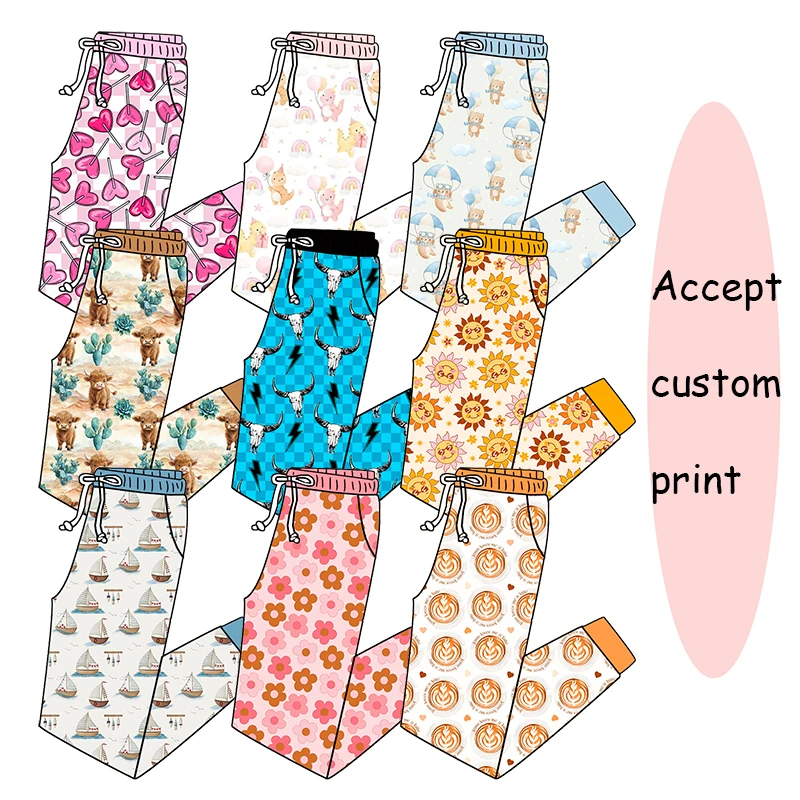
In an era where market demands fluctuate, our low MOQ of just 10 pieces empowers small and emerging brands to launch their product lines without overstock risks. This flexibility is particularly beneficial for:
- Amazon Sellers: Test new product categories with minimal investment.
- Small Brands: Build eco-friendly and high-quality collections tailored to niche markets.
- Wholesale Buyers: Customize designs with a manageable inventory size.
Our factory employs advanced production techniques and just-in-time inventory models to deliver efficiency and cost-effectiveness. This approach ensures consistent quality, even for small batch orders.
Fabric Comparisons: Bamboo Viscose vs. Organic Cotton
While both bamboo viscose and organic cotton are favored in babywear, understanding the distinctions between the two can guide buyers in making informed choices.
- Moisture Wicking: Bamboo fabric excels in moisture-wicking capabilities, keeping babies dry and comfortable, whereas organic cotton absorbs moisture but may retain it longer.
- Softness: Bamboo viscose is generally softer than organic cotton, providing a smoother touch against infant skin.
- Sustainability: While organic cotton is grown without harmful chemicals, bamboo’s minimal water and pesticide requirements make it an even more sustainable option.
Both materials have their advantages, but bamboo viscose often stands out in terms of comfort, performance, and sustainability.
Partner with a Trusted Manufacturer
Our factory, with 17 years of export expertise, specializes in delivering high-quality, eco-friendly babywear tailored to your brand’s unique needs. From girl clothes bamboo baby factory direct eco-friendly baby clothing manufacturer solutions to flexible MOQs and stringent safety compliance, we provide a seamless B2B experience.
For Customized Solutions or Bulk Order Inquiries, contact us today to learn how we can support your business with premium bamboo baby clothing.
![Mass Production Character Pa]Amas Baby BSCI Audited Factories Scalable Solutions for Big B](https://www.kidclothingmanufacturer.com/wp-content/uploads/2026/04/H0a01e2e057ac438c8eabf1804f2cab86v-768x768.webp)