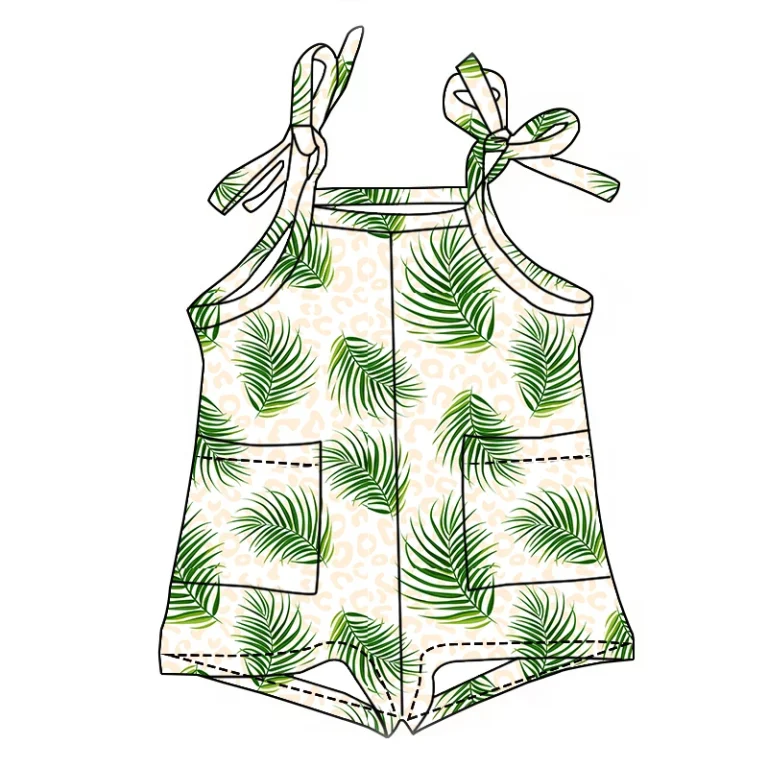
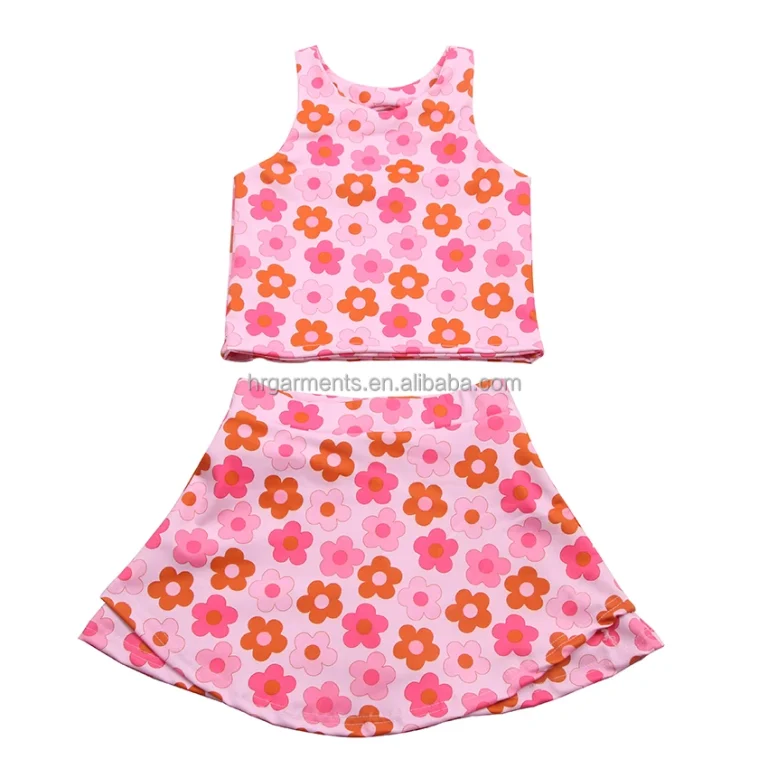
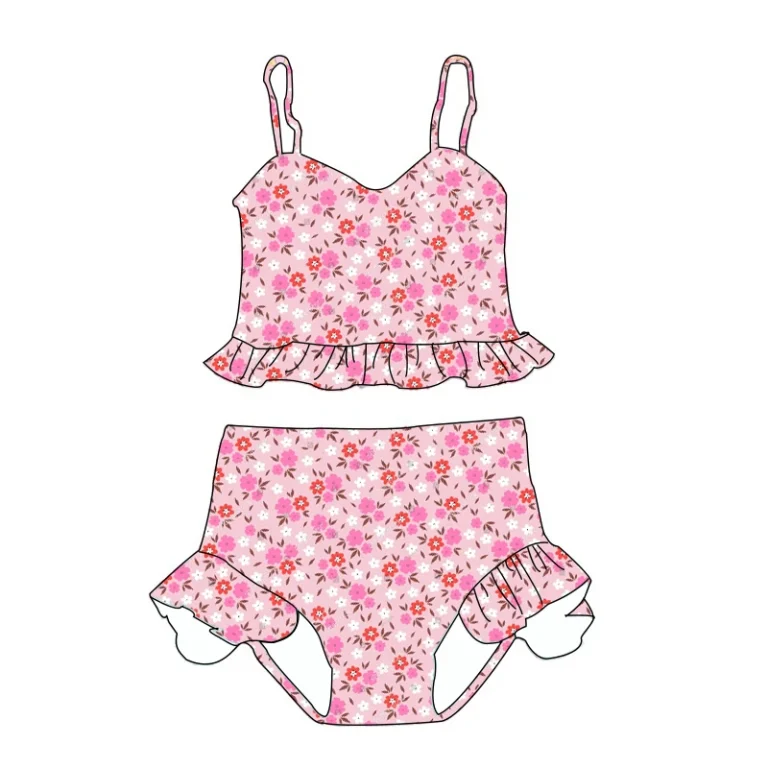
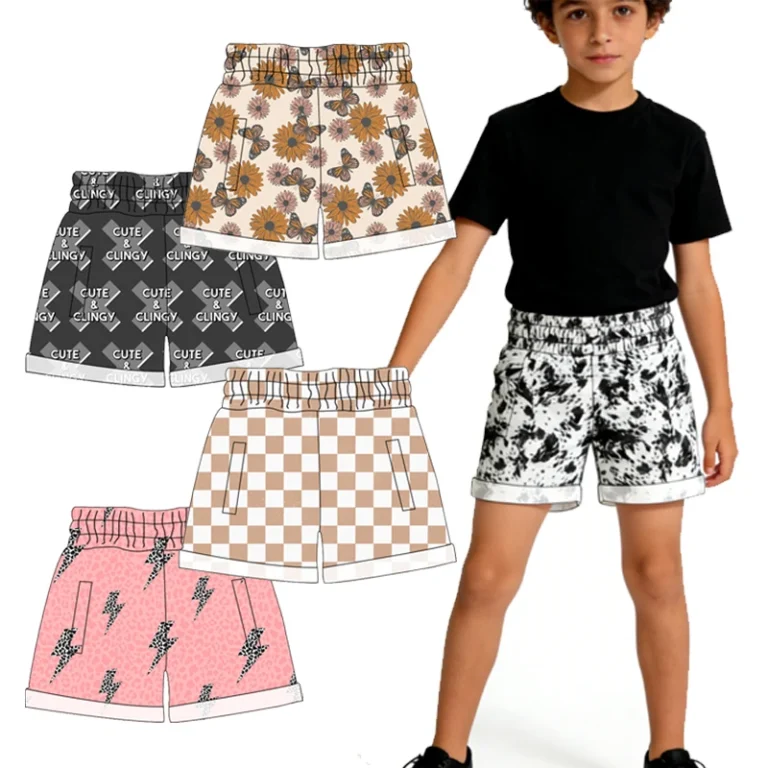
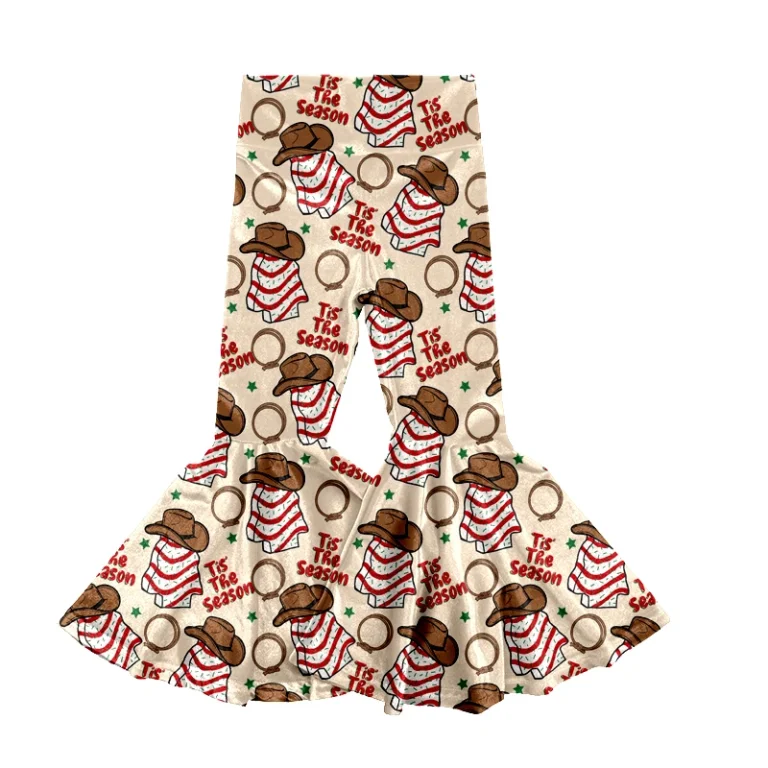
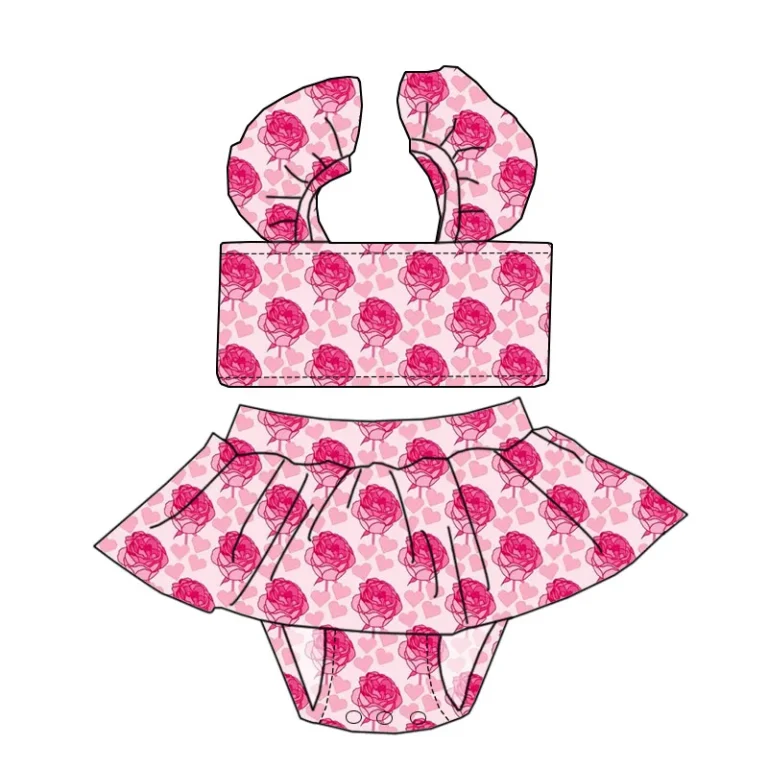
Fast Delivery 2025 Clothing Childrens Premier Textile Manufacturers – Low MOQ Factory
The Evolution of 2025 Clothing Childrens: Prioritizing Safety and Sustainability
As the demand for safer and more sustainable baby clothing rises, manufacturers are focusing on innovation in materials and compliance with international safety standards. 2025 Clothing childrens factories are set to revolutionize the industry with advanced fabric options like bamboo viscose and organic cotton, ensuring both environmental stewardship and infant safety.
Why Fabric Choice Matters for Infant Safety
The delicate nature of a baby’s skin demands fabrics that provide superior comfort, breathability, and hypoallergenic properties. Two materials leading this evolution are bamboo viscose and organic cotton, each offering unique physical properties that address key safety and comfort concerns.
- Thermal Regulation: Bamboo viscose is known for its exceptional thermoregulation capabilities. It keeps babies cool in summer and warm in winter, reducing the risk of overheating—a critical concern for parents.
- Hypoallergenic Properties: Organic cotton is naturally free from synthetic chemicals, dyes, and pesticides. This makes it an ideal choice for infants prone to allergies or eczema.
- Moisture-Wicking Ability: Bamboo viscose is highly absorbent, efficiently wicking away moisture and keeping a baby’s skin dry and irritation-free.
- Softness and Comfort: Both bamboo viscose and organic cotton are incredibly soft, ensuring maximum comfort for delicate skin.
Compliance with OEKO-TEX Standard 100 and CPC Certification
Global buyers, including brands and Amazon sellers, prioritize suppliers who meet stringent safety certifications. Factories specializing in 2025 Clothing childrens are expected to adhere to these certifications:
- OEKO-TEX Standard 100: This certification ensures that fabrics are free from over 100 harmful substances. It guarantees that clothing is safe for babies and aligns with international safety standards.
- CPC (Children’s Product Certificate): Mandated by the U.S. Consumer Product Safety Commission, this certificate ensures compliance with regulations such as flammability and lead content, ensuring products are safe for children.
By aligning with these certifications, manufacturers not only ensure product safety but also build trust with B2B buyers who require documented proof of compliance for their marketplaces.
Flexible Supply Chains with Low MOQ of 10 PCS
One of the most significant challenges for smaller brands or new Amazon sellers is sourcing high-quality products without committing to large minimum order quantities (MOQs). Leading 2025 clothing childrens factory direct eco-friendly baby clothing manufacturer operations cater to this need by offering:
- Low MOQ of 10 PCS: This allows emerging brands to test products or launch limited collections without overextending their budgets.
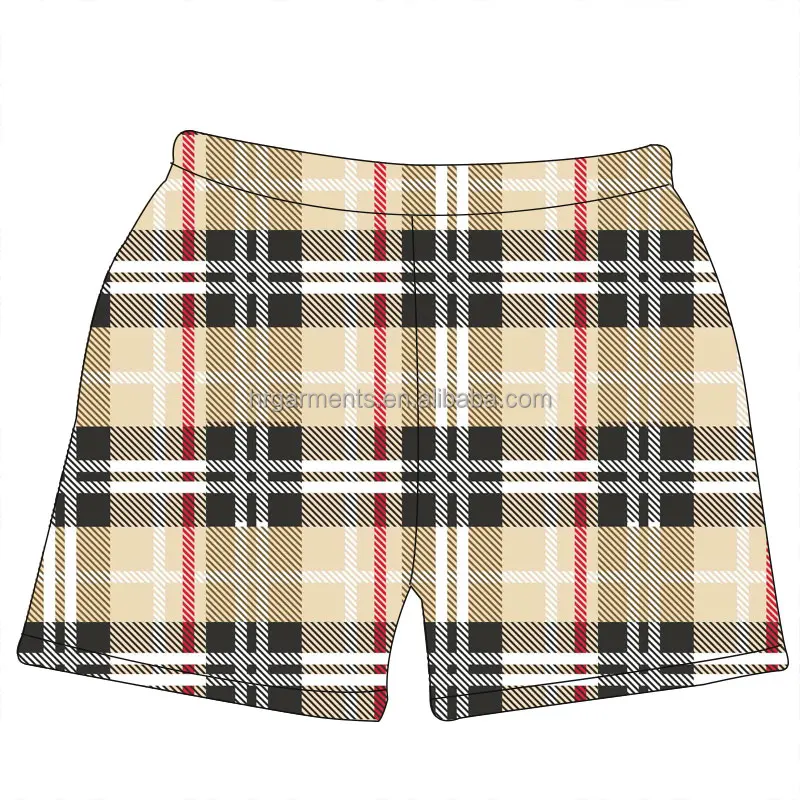
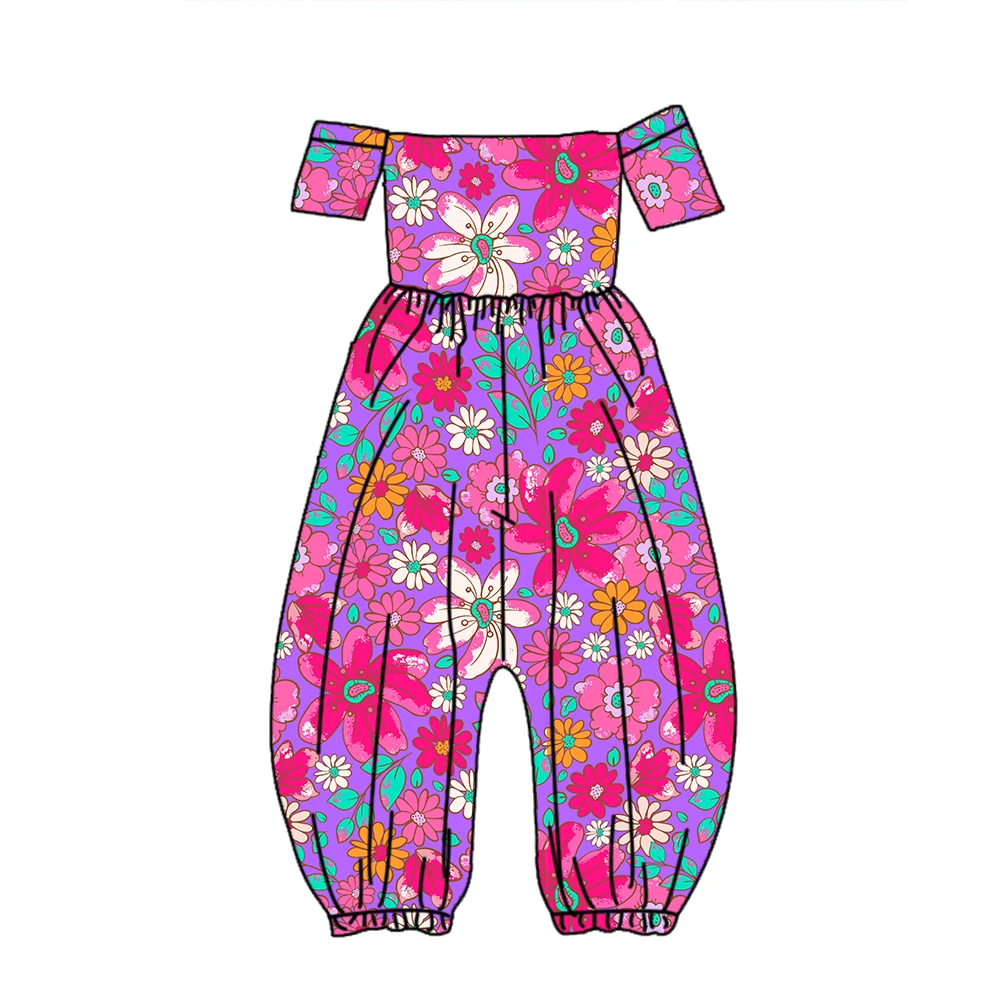
- Custom Design Options: From fabric selection to unique prints and labeling, customization is available even for small-scale orders.
- Scalable Production: As demand grows, these factories provide seamless scalability, meeting bulk order requirements without compromising on quality.
Sustainability: A Non-Negotiable for Modern Consumers
Environmental consciousness is no longer optional; it’s a core expectation among parents and B2B buyers alike. Factories embracing eco-friendly practices in 2025 Clothing childrens production leverage sustainable materials like bamboo viscose, which is biodegradable and produced with minimal waste. Organic cotton, grown without harmful pesticides, further reduces the environmental footprint. Additionally, many manufacturers are adopting water-saving dyeing techniques and recyclable packaging solutions, appealing to environmentally conscious consumers.
Key Takeaways for B2B Buyers
B2B buyers seeking trusted suppliers in the children’s clothing industry must consider several factors:
- Material Selection: Prioritize suppliers offering fabrics like bamboo viscose and organic cotton, ensuring safety and comfort for infants.
- Certifications: Verify compliance with OEKO-TEX Standard 100 and CPC regulations to meet marketplace requirements.
- Flexible MOQ: Partner with factories offering low MOQs to minimize risk and support growth scalability.
- Sustainability Practices: Opt for manufacturers committed to eco-friendly practices in material sourcing and production.
To explore customized solutions and bulk order inquiries, our team is available to assist you in developing your next successful product line. Contact us today to discuss how we can support your business objectives with low MOQ flexibility, premium fabrics, and compliance assurance.