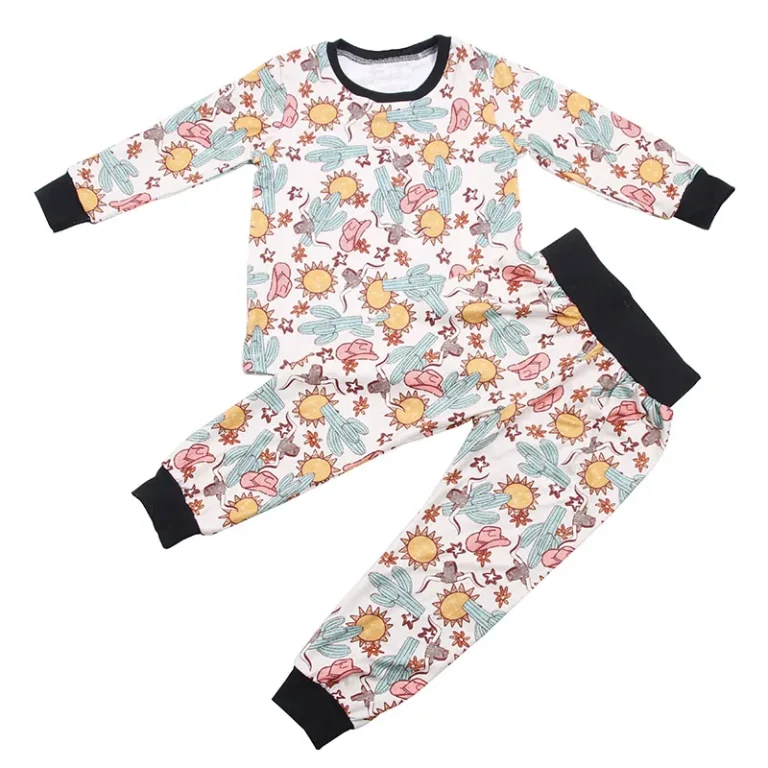
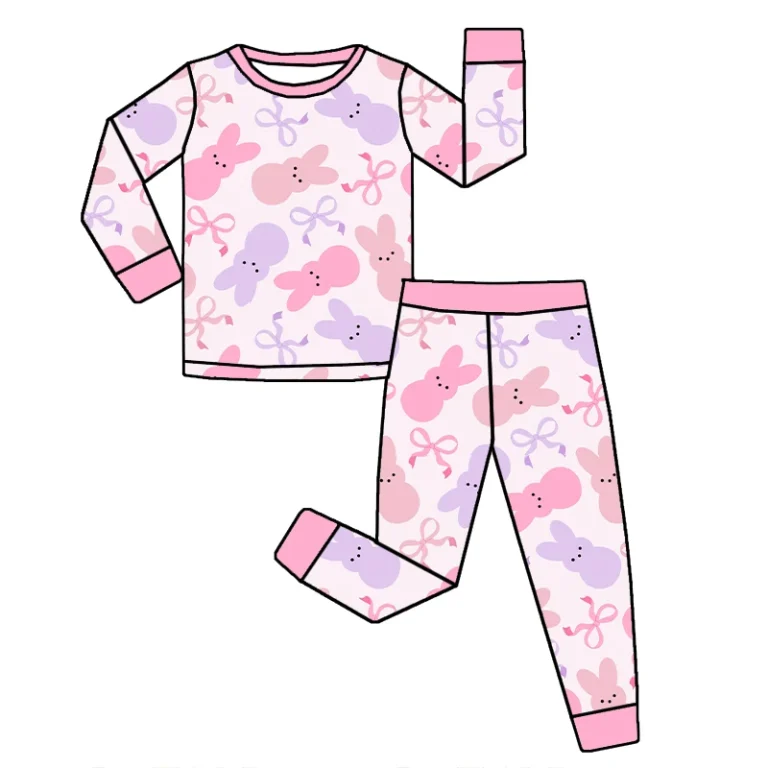
Baby Onesies Rapid Sample Development for Brands (OEKO-TEX Standard 100 Certified)
Understanding the Critical Importance of Material Selection for Baby Onesies
When it comes to producing baby onesies, the choice of materials is paramount. Babies have delicate skin that is prone to irritation, allergies, and discomfort. Therefore, manufacturers and B2B buyers must prioritize fabrics that offer physical properties like thermal regulation, hypoallergenic features, and eco-friendly manufacturing standards. This article explores how bamboo viscose and organic cotton serve as optimal materials for baby clothing, particularly baby onesies.
Material Features and Their Benefits for Baby Safety
Bamboo Viscose: Thermal Regulation and Hypoallergenic Properties
Bamboo viscose is increasingly popular for crafting baby onesies due to its outstanding physical characteristics:
- Thermal Regulation: Bamboo fabric naturally adapts to temperature changes, keeping babies cool in summer and warm in winter. This feature ensures comfort and reduces the risk of overheating or cold stress.
- Hypoallergenic: Free from irritants and harsh chemicals, bamboo viscose minimizes the chances of skin reactions, making it ideal for sensitive newborn skin.
- Eco-Friendly Manufacturing: Bamboo grows quickly and sustainably, requiring fewer resources than conventional cotton. For buyers concerned about environmental responsibility, bamboo is an excellent choice.
Organic Cotton: Breathability and Durability
Organic cotton stands out as another favored material for baby onesies. It offers:
- Breathability: Organic cotton allows airflow, preventing sweat build-up and discomfort. Its ability to wick moisture reduces skin irritation and keeps babies dry.
- Durability: Despite its soft feel, organic cotton is highly durable, ensuring the longevity of baby clothing even after frequent washing.
- Chemical-Free: Certified organic cotton complies with OEKO-TEX Standard 100 and other certifications, ensuring safety from harmful dyes, pesticides, and toxins.
Addressing B2B Buyer Concerns: Certifications and Flexible Supply Chain
Ensuring Compliance with CPC and OEKO-TEX Certifications
For B2B clients such as wholesalers, Amazon sellers, and boutique brands, certification compliance is non-negotiable. CPC certification ensures that every product meets stringent U.S. safety regulations for children’s clothing, including flammability and chemical content. OEKO-TEX Standard 100 further guarantees that materials are free from harmful substances, assuring end-consumers of product safety.
Our factory takes pride in adhering to both certifications. We employ rigorous quality control measures at every stage, from material sourcing to final production, ensuring that every baby onesie meets global safety standards.
Low MOQ of 10 PCS: Flexible Solutions for Diverse Business Models
One of the most significant advantages we offer is a low Minimum Order Quantity (MOQ) of 10 PCS. This flexibility allows emerging brands, boutique retailers, and Amazon sellers to test new designs or niches without overcommitting to inventory. Our agile production systems ensure quick turnarounds even for small batches, enabling clients to stay responsive to market trends.
Why Partner with an Experienced Baby Clothing Manufacturer?
With 17 years of experience in exporting baby clothing, our factory combines expertise, certifications, and flexible supply chain solutions to meet the needs of B2B buyers. Whether you prioritize eco-friendly materials like bamboo viscose and organic cotton or require strict adherence to safety standards, we provide customized solutions tailored to your business model.
For baby onesies factory direct eco-friendly baby clothing manufacturer inquiries, contact us today to discuss bulk orders or unique designs. Let our team help you deliver safe, high-quality baby clothing to your customers.