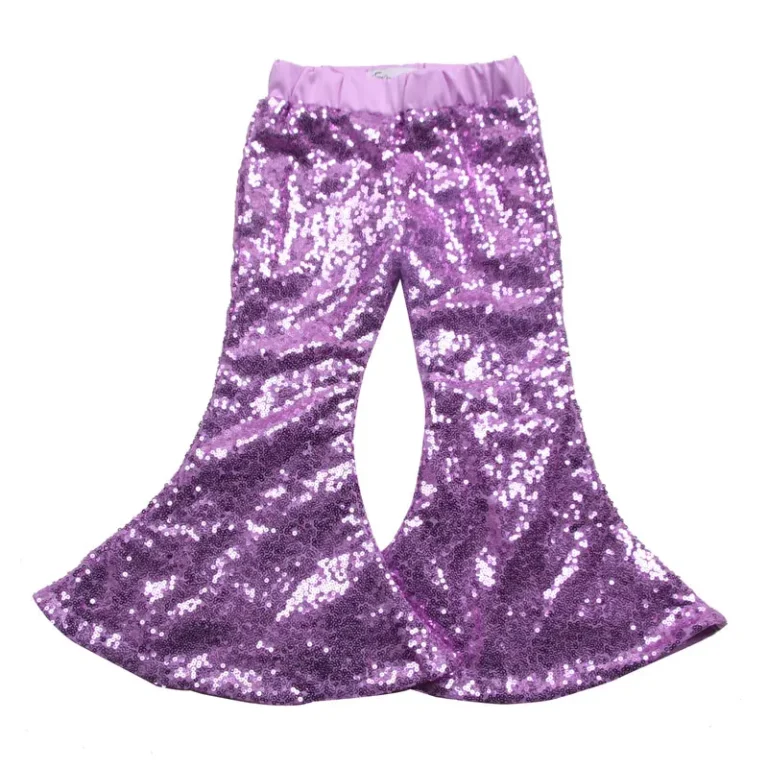
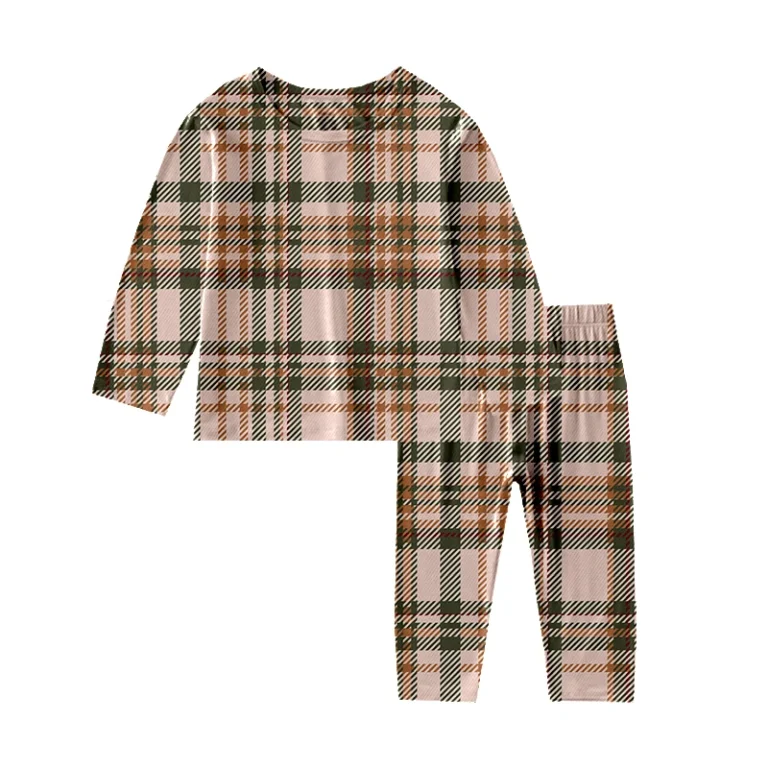
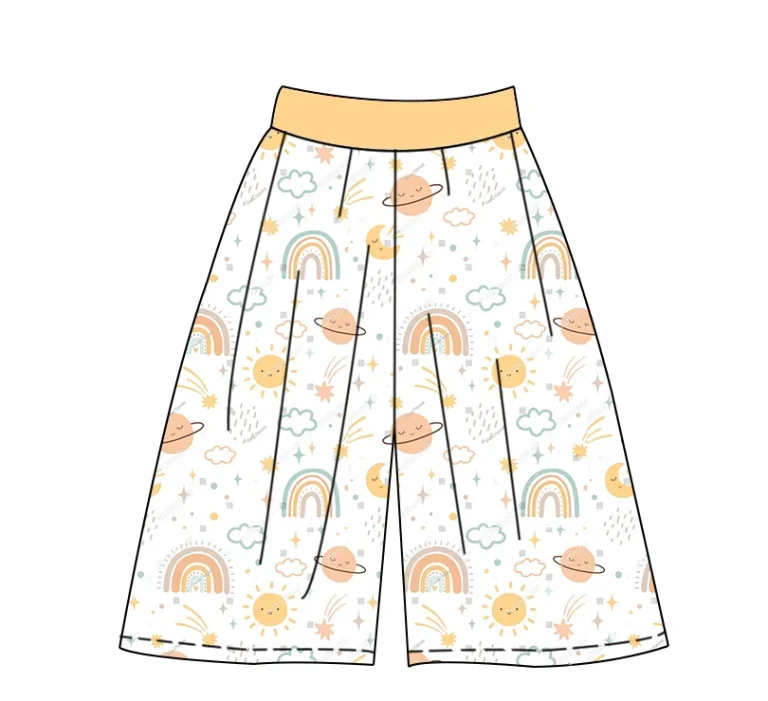
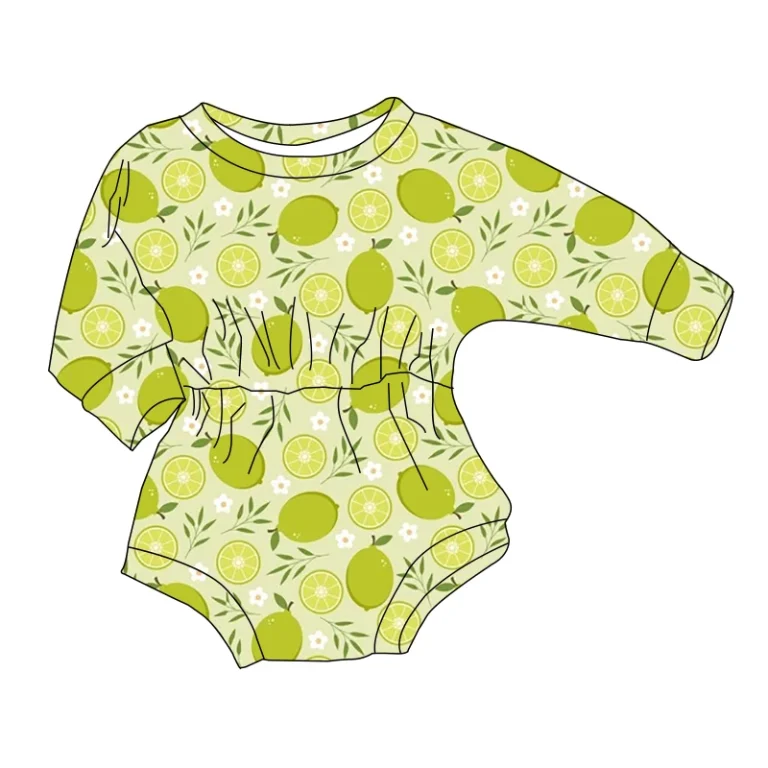
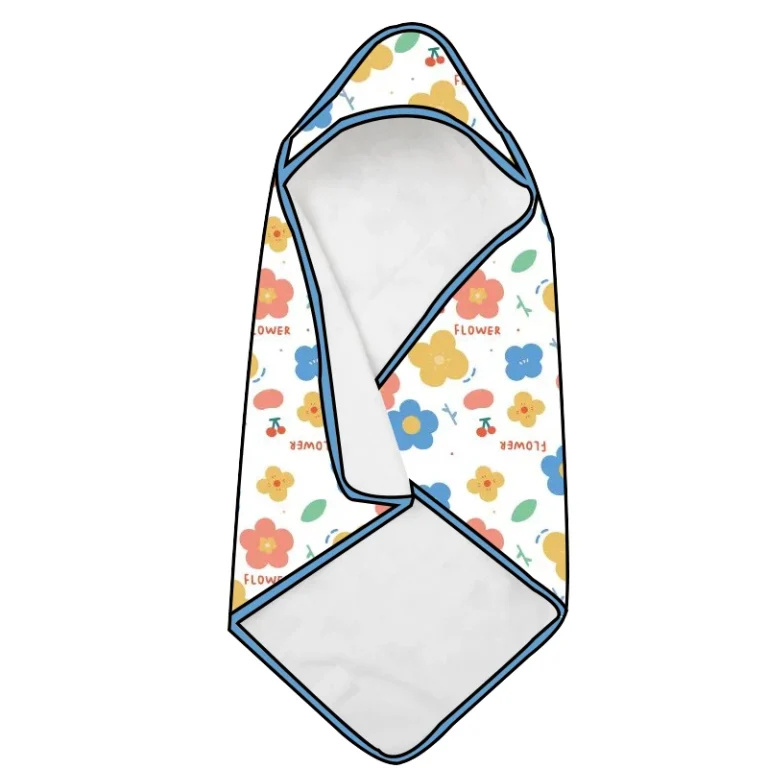
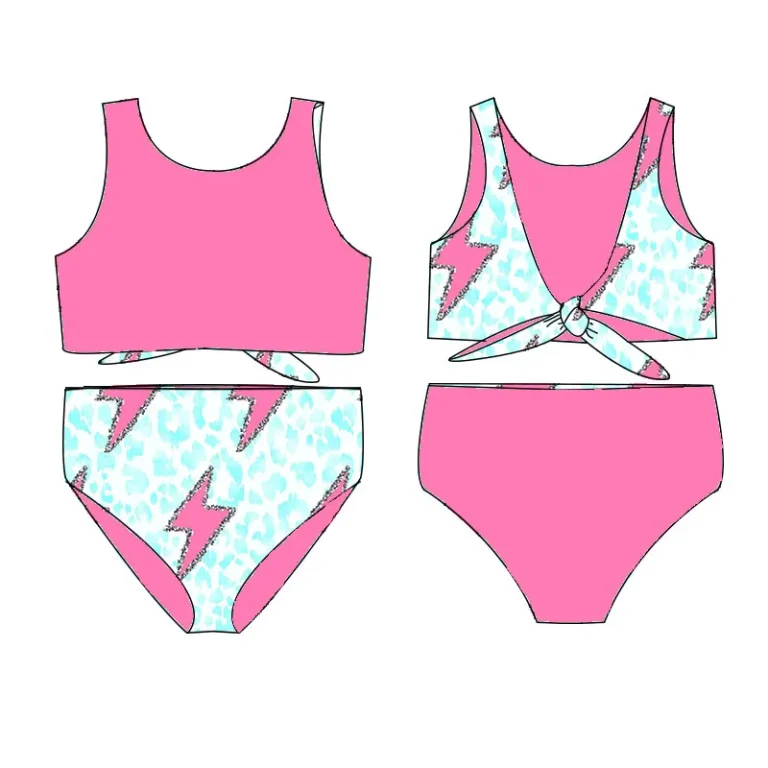
Fast Lead-Time Family Bamboo Premier Textile Manufacturers Low MOQ Factory
The Importance of Bamboo Viscose in Baby Clothing Manufacturing
As the demand for eco-friendly and hypoallergenic baby clothing continues to grow, family bamboo fabrics have emerged as a preferred material for brands and wholesalers. Bamboo viscose, derived from sustainable bamboo fibers, offers unique physical properties that address both safety and comfort concerns for infants. This article explores the characteristics of bamboo viscose and its suitability for baby clothing, focusing on how manufacturers can meet quality control, certification, and MOQ flexibility requirements.
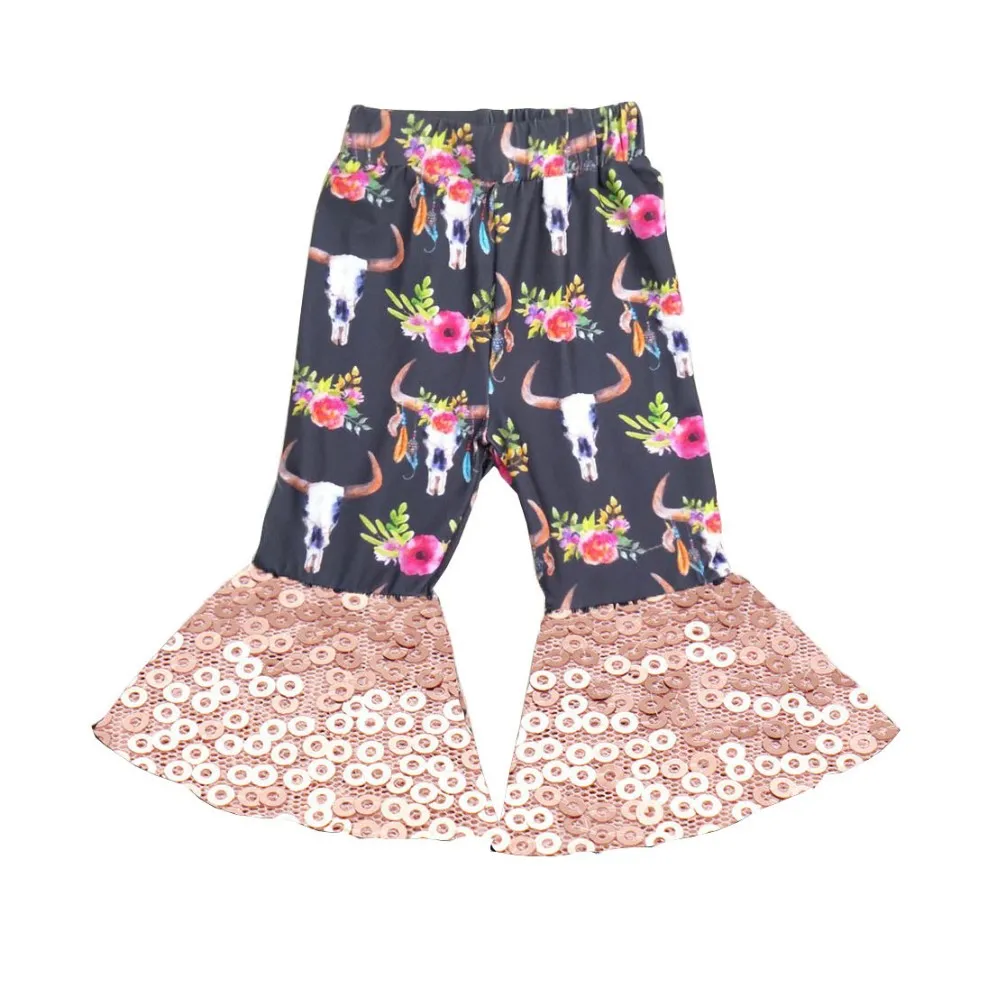
Critical Physical Properties of Bamboo Viscose for Babywear
Thermal Regulation: Keeping Babies Comfortable
Bamboo viscose is renowned for its exceptional thermal regulation. Its microporous structure allows for superior breathability, keeping babies cool in summer and warm in winter. This is a crucial feature for sensitive skin, as infants are less capable of regulating their body temperature compared to adults. For B2B buyers, offering baby clothing with this functionality can enhance product value while addressing consumer concerns about year-round comfort.
Hypoallergenic and Antibacterial Qualities
The hypoallergenic nature of family bamboo fabrics makes it ideal for babywear. Bamboo viscose possesses natural antibacterial properties, reducing the risk of skin irritations and allergies. This feature is especially important for newborns with delicate skin prone to eczema or rashes. By sourcing materials that inherently resist bacteria and allergens, brands and wholesalers can ensure a higher safety standard in their product lines.
Moisture Absorption and Odor Resistance
Another key attribute of bamboo viscose is its ability to wick moisture away from the skin. This property keeps babies dry, reducing discomfort caused by sweating or dampness. Additionally, bamboo viscose’s resistance to odors further enhances its appeal, ensuring that garments remain fresh even after prolonged wear. Such benefits align with the increasing demand for functional baby clothing that prioritizes hygiene and convenience.
Quality Control and Certification: Meeting Buyer Expectations
OEKO-TEX Standard 100 and CPC Compliance
One of the most critical concerns for B2B buyers is compliance with safety and sustainability certifications. Baby clothing made from family bamboo viscose can easily meet international standards such as OEKO-TEX Standard 100 and ASTM-defined Children’s Product Certificate (CPC) requirements. These certifications ensure that garments are free from harmful chemicals and safe for infant use. By partnering with manufacturers who prioritize these certifications, buyers can mitigate risks while enhancing their brand reputation.
Rigorous Production Oversight
Manufacturers with a proven track record in quality control play a pivotal role in ensuring product consistency. From raw material sourcing to final inspection, experienced suppliers implement stringent quality checks to meet the highest industry standards. This is particularly relevant for brands and wholesalers operating in competitive markets like e-commerce, where product reviews and customer satisfaction are critical to success.
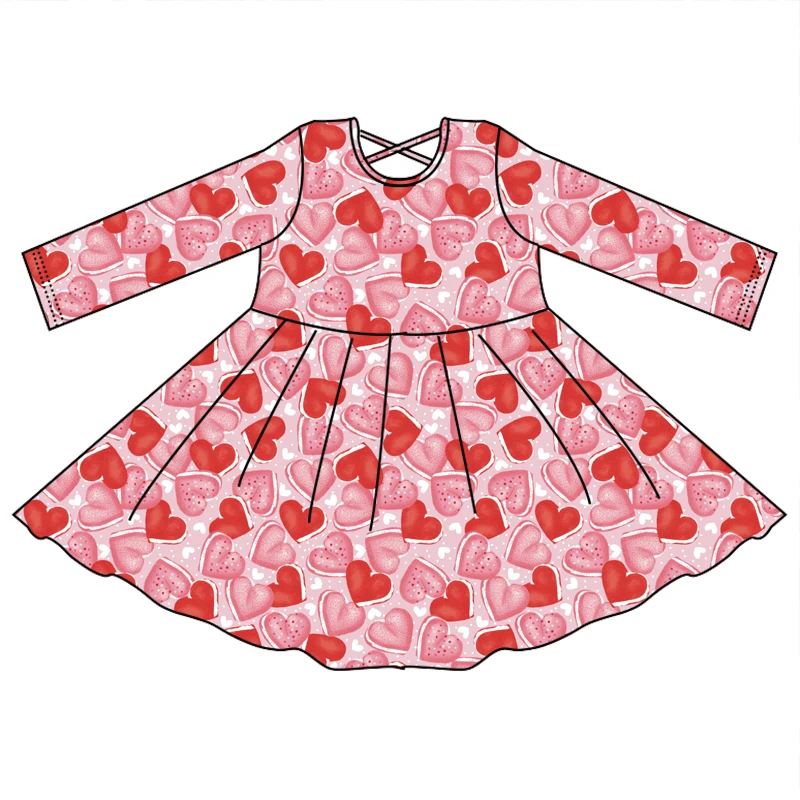
Flexible Supply Chain Solutions for Small-Batch Orders
Unlike traditional manufacturing models that impose high minimum order quantities (MOQs), modern suppliers specializing in family bamboo fabrics offer low MOQs of just 10 pieces. This flexibility supports emerging brands, Amazon sellers, and boutique retailers in managing inventory risks while testing new designs. Additionally, it provides a cost-effective solution for businesses looking to scale their operations gradually without overcommitting to large volumes.
The Role of Sustainable Fabrics in Eco-Friendly Baby Clothing
Environmental Benefits of Bamboo Cultivation
Bamboo is a highly sustainable resource, growing rapidly without the need for pesticides or excessive water consumption. Utilizing bamboo viscose in babywear aligns with the global shift towards environmentally responsible production practices. By choosing an eco-friendly material, brands can cater to the rising consumer demand for sustainability while reducing their carbon footprint.
Organic Cotton as a Complementary Option
In addition to bamboo viscose, organic cotton can be used to complement babywear collections. Like bamboo, organic cotton is soft, breathable, and free of harmful chemicals. Combining these two materials can result in versatile and functional garments that appeal to eco-conscious parents. However, bamboo viscose remains superior in terms of moisture-wicking and antibacterial properties.
Partnering with an Experienced Manufacturer
With 17 years of export experience, our factory specializes in producing high-quality family bamboo baby clothing. Our low MOQ of 10 pieces and commitment to certifications such as OEKO-TEX Standard 100 and CPC make us a trusted partner for brands, wholesalers, and Amazon sellers worldwide. Contact us today to explore family bamboo factory direct eco-friendly baby clothing manufacturer solutions tailored to your needs, from customized designs to bulk order inquiries.