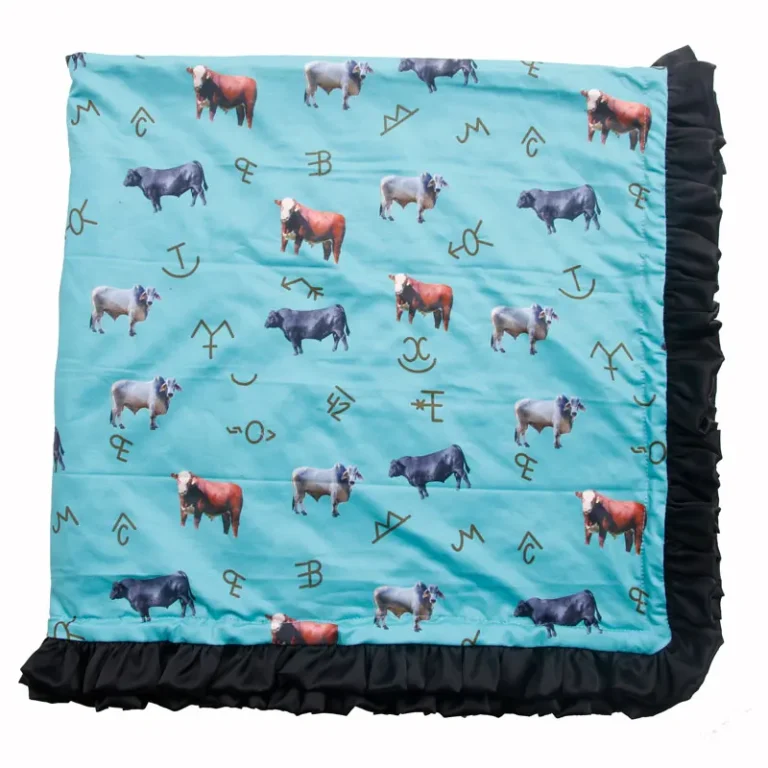
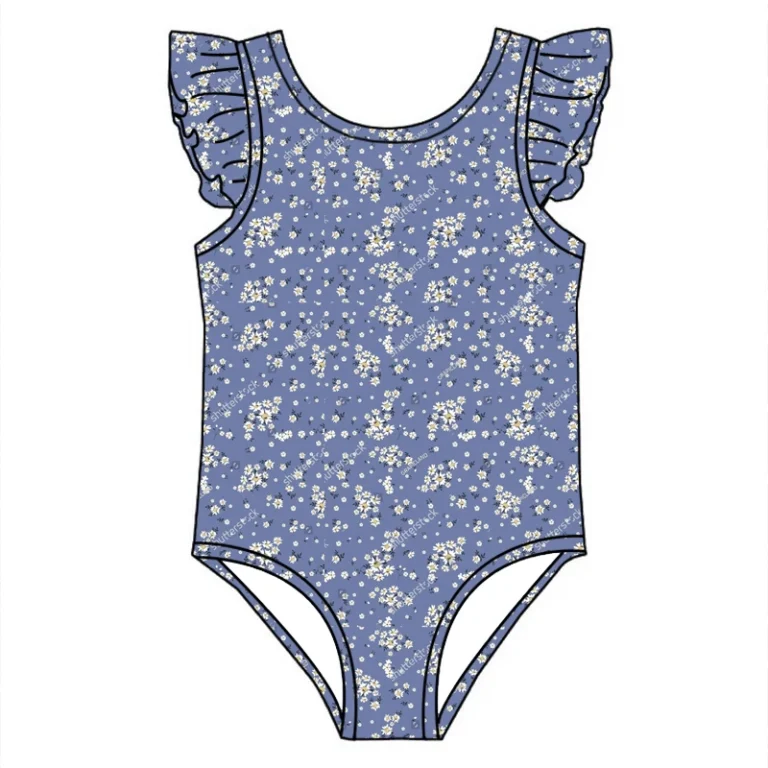
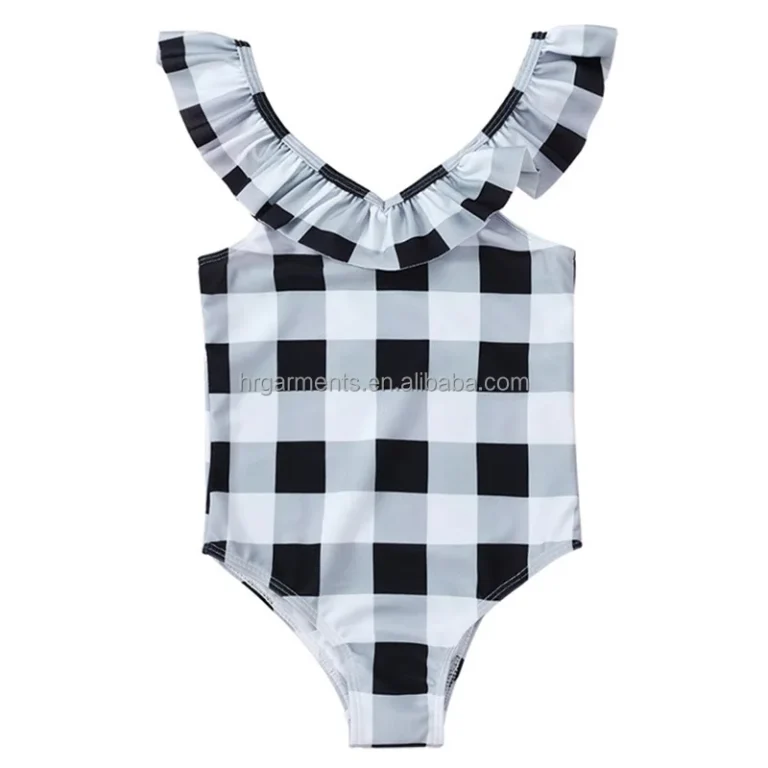
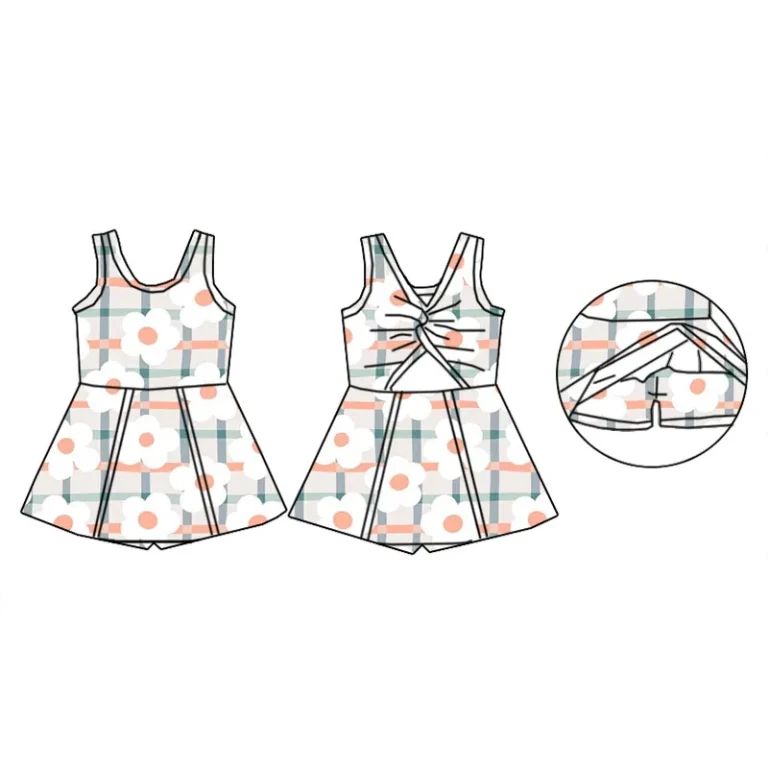
Scalable Private Label Clothing 2025 Childrens Rapid Sample Development Grow Your Boutique
Understanding the Importance of Fabric Selection in Clothing 2025 childrens
The children’s clothing industry is at a transformative stage, with an increased focus on safety, sustainability, and innovation. In the context of Clothing 2025 childrens, the choice of fabric plays a pivotal role, particularly when catering to the needs of B2B buyers such as brand owners, wholesalers, and Amazon sellers. Materials like bamboo viscose and organic cotton are becoming indispensable due to their unique properties that ensure safety and comfort for infants and toddlers. Below, we examine why these fabrics are crucial for modern babywear production.
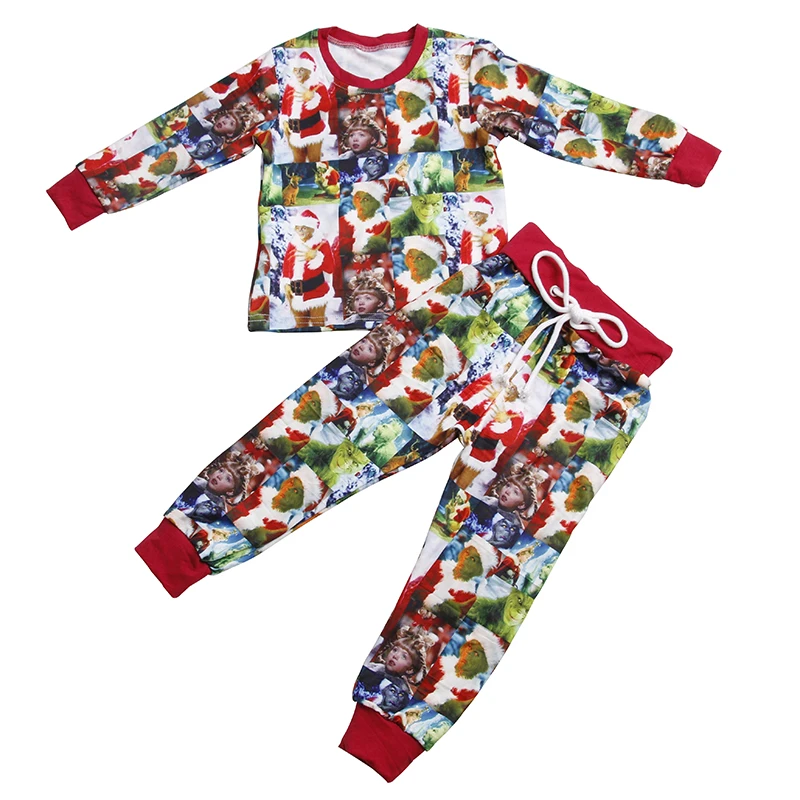
Bamboo Viscose: A Revolution in Infant Safety and Comfort
Bamboo viscose is rapidly becoming a preferred fabric in the creation of babywear, thanks to its exceptional physical characteristics. Key attributes include:
- Thermal Regulation: Bamboo viscose offers excellent temperature control, making it ideal for year-round wear. Its breathable structure allows excess heat to dissipate, keeping babies cool in summer and warm in winter.
- Hypoallergenic Properties: Natural bamboo fibers are free of harsh chemicals and irritants, significantly reducing the risk of allergic reactions on sensitive infant skin.
- Moisture-Wicking Capability: The fabric efficiently absorbs moisture, ensuring babies remain dry and comfortable throughout the day.
Moreover, bamboo’s sustainability as a resource makes it an excellent choice for environmentally conscious brands. Its cultivation requires minimal water and no pesticides, aligning with the eco-friendly demands of the Clothing 2025 childrens market.
Organic Cotton: A Trusted Classic for Delicate Skin
Organic cotton continues to be a staple in babywear production, valued for its softness, safety, and durability. It is cultivated without the use of synthetic fertilizers or harmful pesticides, ensuring it is free from toxins that can irritate a baby’s sensitive skin.
- Softness: Organic cotton is incredibly gentle, preventing friction and discomfort for newborns and toddlers.
- Breathability: Its natural fibers allow for excellent airflow, minimizing the risk of heat rashes in infants.
- Durability: Organic cotton retains its shape and integrity after repeated washes, a critical factor for babywear that undergoes frequent laundering.
When incorporated into custom designs under OEM and ODM models, organic cotton ensures a balance of quality and sustainability, catering to modern demands for both safety and environmental consciousness.
Compliance as a Critical Factor in Babywear Manufacturing
For B2B buyers, ensuring compliance with international safety and quality standards is non-negotiable. Certifications such as OEKO-TEX Standard 100 and Children’s Product Certificate (CPC) are essential benchmarks when selecting a supplier. These certifications guarantee that fabrics and finished garments have undergone rigorous testing for harmful chemicals, ensuring they are safe for children.
What OEKO-TEX Standard 100 Ensures
OEKO-TEX Standard 100 is a globally recognized certification that evaluates all components of a product, including threads, dyes, and accessories. Babywear certified under this standard provides reassurance of the following:
- Absence of harmful substances such as formaldehyde, heavy metals, and carcinogenic dyes.
- Skin-friendly pH levels to prevent irritation or allergic reactions.
- Compliance with European REACH regulations and other global safety standards.
Children’s Product Certificate (CPC) for U.S. Market Access
For brands targeting the U.S. market, CPC compliance is a legal requirement. It confirms that babywear meets the Consumer Product Safety Improvement Act (CPSIA) standards, covering aspects such as flammability, lead content, and phthalates. Partnering with a factory experienced in achieving these certifications ensures a seamless supply chain and minimizes compliance risks.
The Advantage of Low MOQ and Flexible Supply Chains
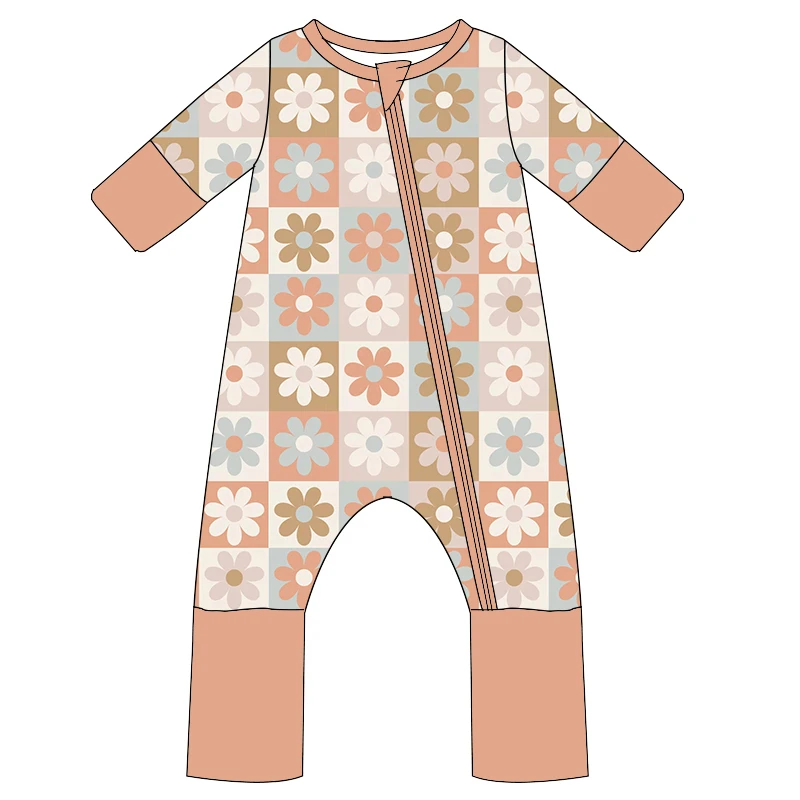
One of the significant challenges for emerging brands and small-scale wholesalers is high minimum order quantities (MOQ). A low MOQ, such as 10 PCS, enables businesses to test new designs, enter niche markets, or manage inventory more effectively. Flexible supply chains further enhance this advantage by allowing customization in terms of fabric selection, design, and packaging.
Advantages of Low MOQ Babywear Production
- Reduced Financial Risk: Low MOQ minimizes upfront investment, making it suitable for startups and small businesses.
- Market Testing: Brands can trial new designs or materials without committing to large volumes.
- Quick Turnaround: Small production runs often have shorter lead times, allowing businesses to respond rapidly to market trends.
By offering clothing 2025 childrens OEM and ODM custom babywear with low MOQ, leading factories provide a competitive edge to B2B buyers, ensuring they can adapt quickly to dynamic market demands.
Partner with a Trusted Babywear Manufacturer
Navigating the complexities of fabric selection, compliance, and flexible production requires a reliable manufacturing partner. With 17 years of export experience and expertise in premium fabrics like bamboo viscose and organic cotton, our factory ensures the highest standards of safety and quality. From Clothing 2025 childrens to custom-designed babywear, we offer tailored solutions to meet your brand’s unique needs.
For inquiries about clothing 2025 childrens OEM and ODM custom babywear with low MOQ or to explore our customized solutions, contact us today to discuss your bulk order requirements.