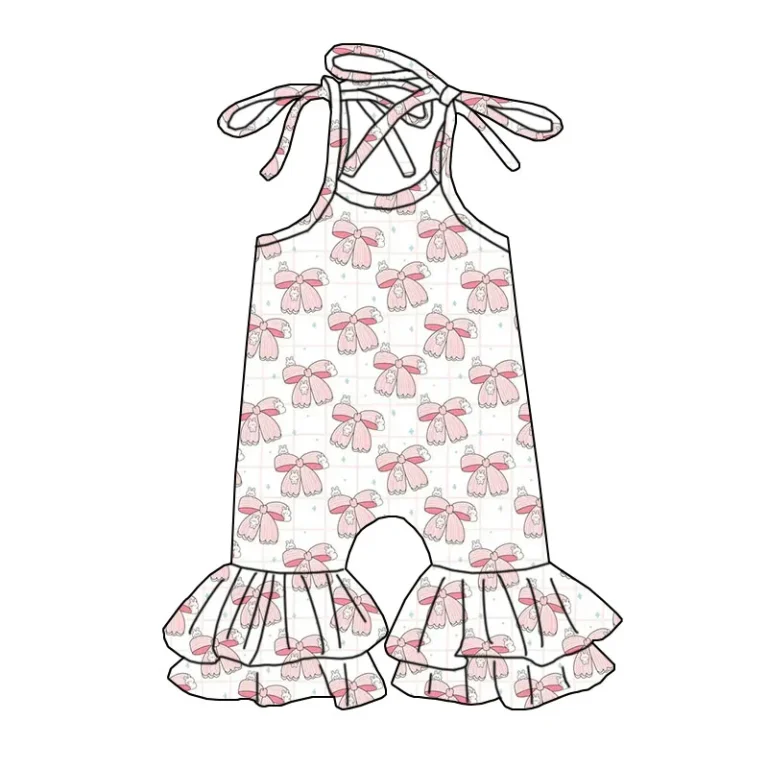
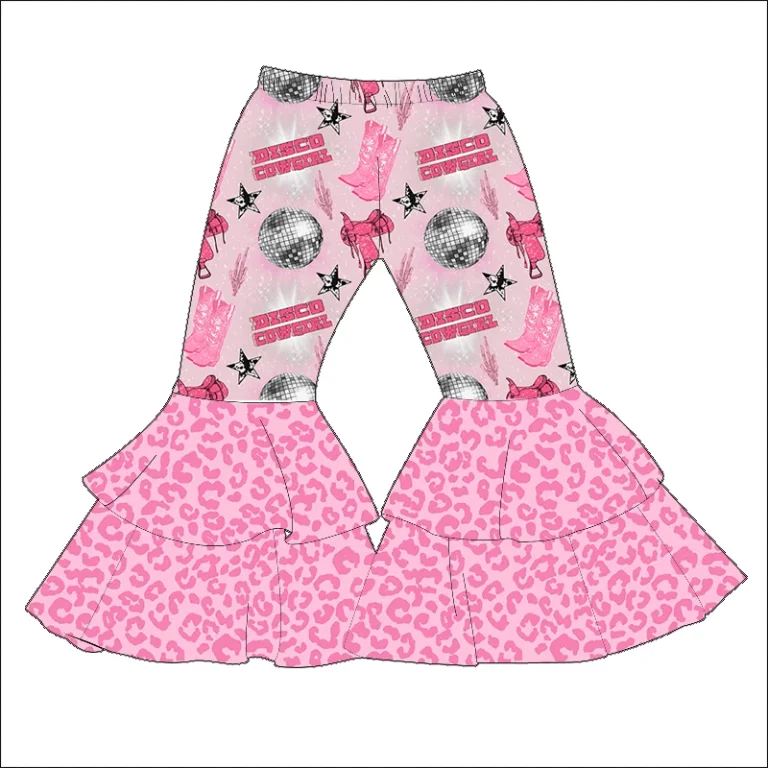
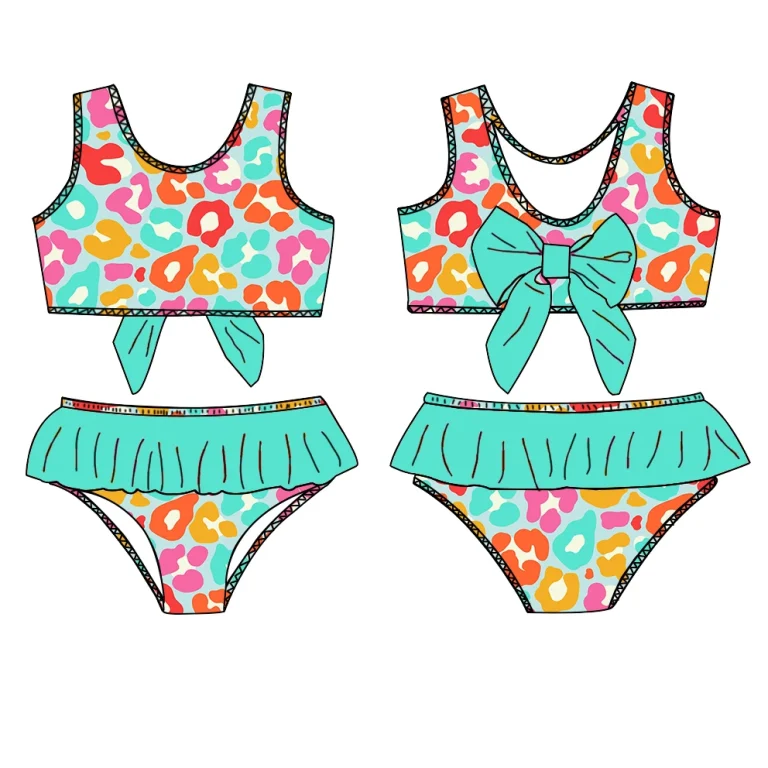
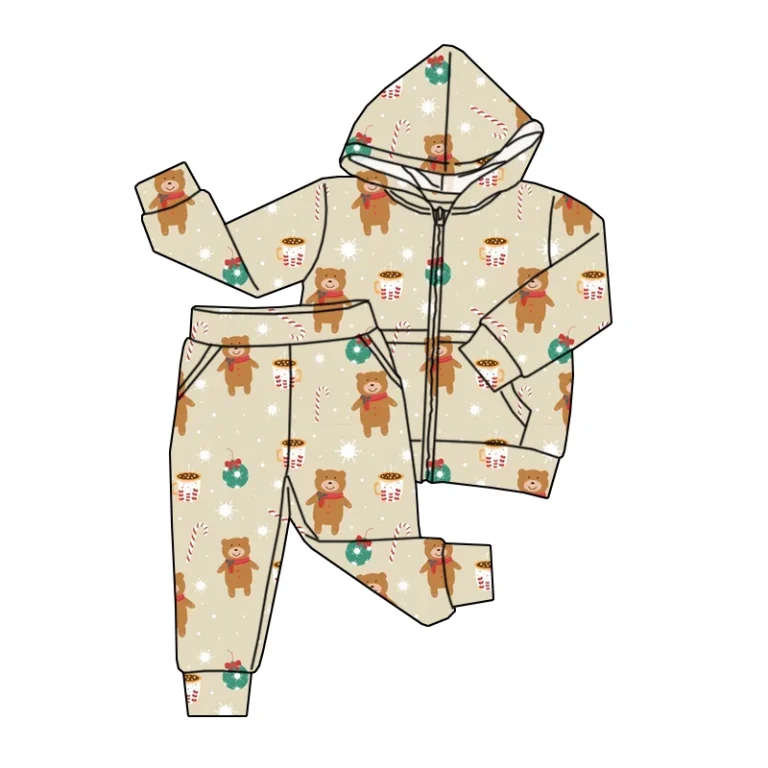
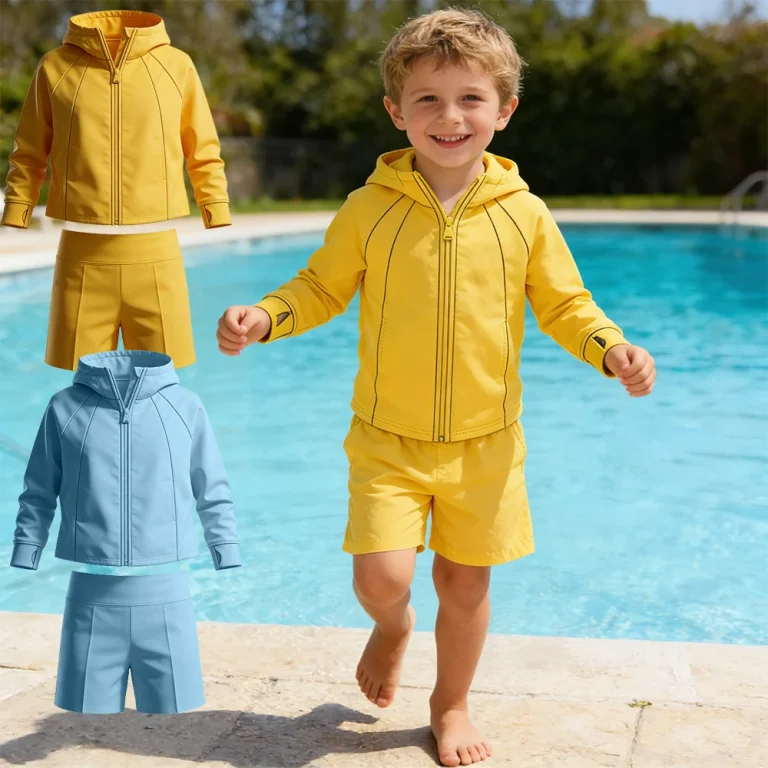
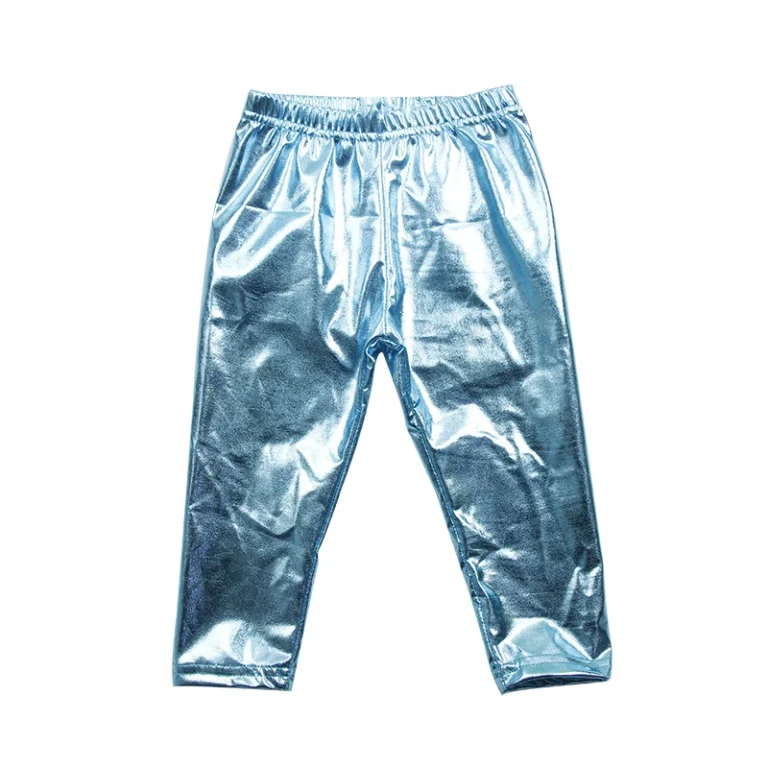
Ready to Ship Professional Clothing Baby Manufacturing
The Importance of Fabric Selection in Clothing Baby
When it comes to manufacturing Clothing baby, the safety, comfort, and health of infants must take precedence. For B2B buyers like brand owners, wholesalers, and Amazon sellers, selecting the right fabric is a critical factor that directly impacts product quality and customer satisfaction. Fabrics such as bamboo viscose and organic cotton are increasingly popular for their unique physical properties, which enhance both wearability and safety for babies. This article explores how these materials contribute to infant well-being and highlights key compliance certifications.
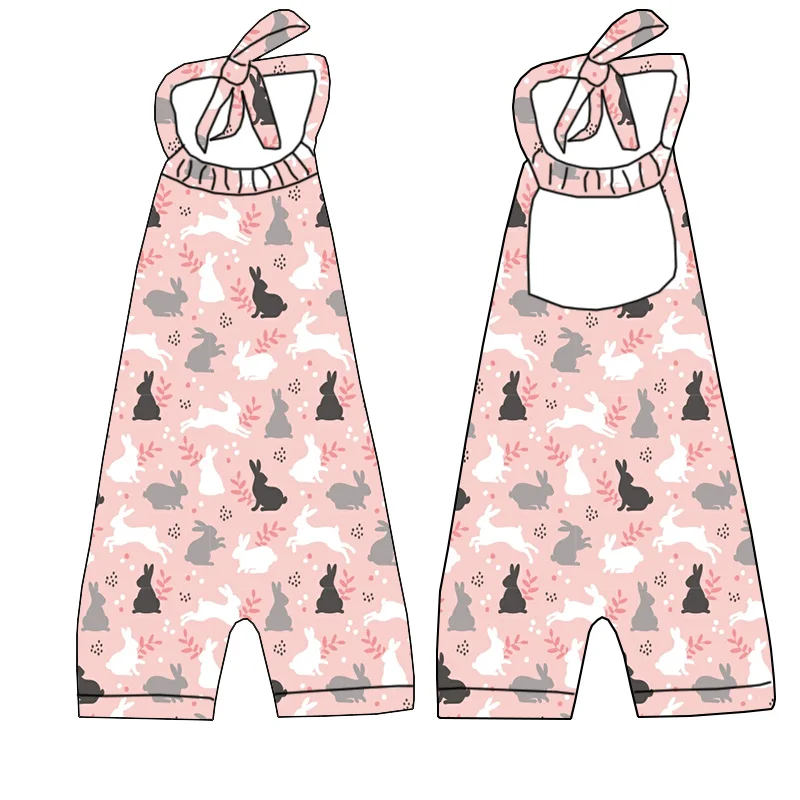
Physical Properties of Baby-Safe Fabrics
Bamboo Viscose: A Breakthrough in Sustainable Babywear
Bamboo viscose has emerged as a preferred choice for Clothing baby due to its exceptional physical properties:
- Thermal Regulation: Bamboo viscose is naturally breathable and adapts to temperature changes. It keeps babies warm in cooler climates while providing cooling effects in warmer environments, reducing the risk of overheating.
- Hypoallergenic Features: Bamboo fibers are naturally smooth and free from irritants, making them ideal for sensitive infant skin prone to allergic reactions or eczema.
- Moisture-Wicking: This fabric absorbs moisture efficiently, keeping babies dry and minimizing skin irritation caused by prolonged dampness.
Organic Cotton: A Timeless Standard for Babywear
Organic cotton continues to be a cornerstone in infant apparel manufacturing. Its benefits include:
- Softness: Organic cotton is softer than conventional cotton due to the absence of harsh chemicals during cultivation and processing. This ensures maximum comfort for infants.
- Durability: Organic cotton garments maintain their quality even after multiple washes, making them a practical choice for parents.
- Chemical-Free Safety: Grown without pesticides or synthetic fertilizers, organic cotton eliminates exposure to potentially harmful residues, ensuring baby safety.
Why Fabric Choice Matters in Infant Safety
The delicate nature of a baby’s skin requires fabrics that are free from toxic substances and allergens. Materials like bamboo viscose and organic cotton not only offer unmatched softness but also enhance safety by minimizing the risk of skin reactions. Furthermore, their environmental sustainability aligns with the growing consumer demand for eco-friendly baby products, making these fabrics an excellent choice for B2B buyers looking to meet ethical and health-conscious consumer expectations.
Quality Certifications: What B2B Buyers Need to Know
To ensure the safety and quality of baby clothing, compliance with internationally recognized certifications is non-negotiable. For professional buyers, understanding these certifications is crucial for product trustworthiness and market entry.
OEKO-TEX Standard 100 Certification
The OEKO-TEX Standard 100 certification guarantees that textiles are free from harmful substances and meet strict safety criteria. This certification is especially critical for baby clothing manufacturers, as it ensures the absence of any chemicals that could pose health risks to infants. Partnering with a certified clothing baby factory direct eco-friendly baby clothing manufacturer ensures compliance with these stringent standards.
CPC Certification: A Must-Have for Babywear in the U.S.
For brands and sellers targeting the U.S. market, compliance with the Consumer Product Safety Commission (CPSC) regulations is essential. A Children’s Product Certificate (CPC) certifies that the baby clothing meets all applicable safety standards, including flammability and lead content regulations. Manufacturers with CPC certification provide the assurance that products are legally compliant, reducing the risk of recalls or legal challenges.
Low MOQ: Flexibility for Emerging Brands
One of the most significant challenges faced by small-scale brands and Amazon sellers is the high Minimum Order Quantity (MOQ) imposed by many manufacturers. A clothing baby factory direct eco-friendly baby clothing manufacturer that offers low MOQ, such as 10 PCS, provides unmatched flexibility. This allows businesses to:
- Test new designs and markets without overcommitting resources.
- Reduce inventory risk and storage costs.
- Respond quickly to changing consumer trends and demands.
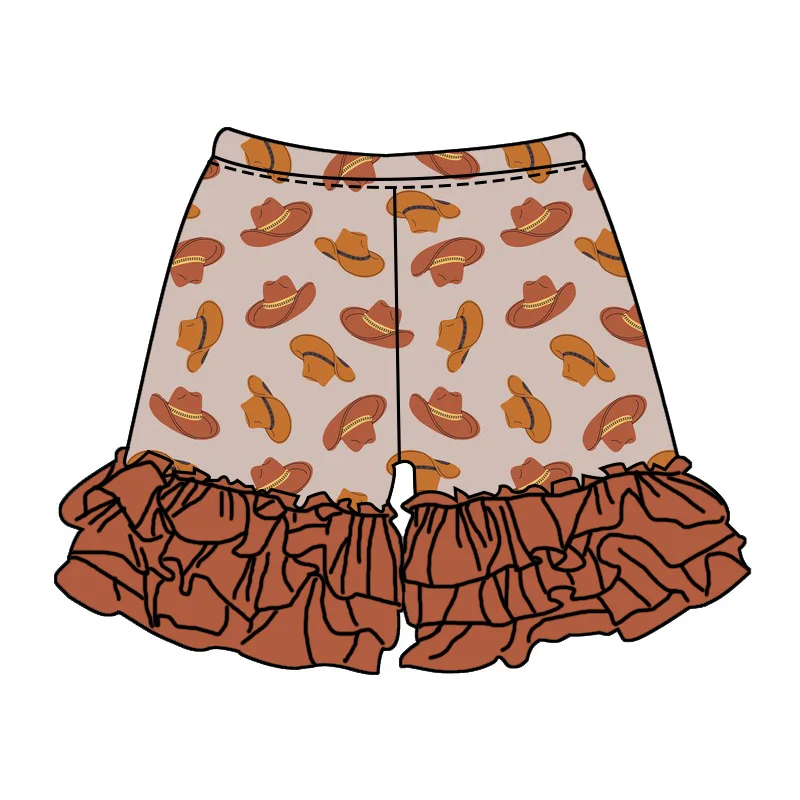
Partnering with a Trusted Manufacturer
When choosing a manufacturing partner for Clothing baby, B2B buyers must prioritize quality control, compliance certifications, and supply chain flexibility. A reliable factory with 17 years of export experience not only provides premium materials like bamboo viscose and organic cotton but also ensures adherence to OEKO-TEX Standard 100 and CPC requirements. By offering low MOQs, these manufacturers empower brands and wholesalers to scale responsibly while meeting the highest standards of infant safety and comfort.
For customized solutions and bulk order inquiries, reach out to our team today. Let us help you bring your vision for eco-friendly, high-quality baby clothing to life. Together, we can set a new standard in the babywear industry.