Fast Delivery Baby Clothes Next SMETA Compliant Suppliers – Small Batch Production
The Future of Baby Clothes: Prioritizing Safety, Flexibility, and Quality
For businesses navigating the competitive landscape of baby apparel, ensuring product safety, maintaining rigorous quality standards, and meeting market demands for customization and low minimum order quantities (MOQs) are critical. As the industry shifts towards innovation and sustainability, Baby Clothes next is leading the charge by integrating advanced materials and compliance protocols into manufacturing processes.
Material Selection: A Key Factor in Babywear Safety
Bamboo Viscose: A Sustainable and Safe Choice
Bamboo viscose has rapidly gained traction in baby clothing for its unique properties, which are particularly suited to the sensitive needs of infants. Its natural breathability and moisture-wicking abilities provide superior thermal regulation, keeping babies comfortable in both warm and cool climates. Additionally, bamboo viscose’s hypoallergenic characteristics minimize the risk of skin irritation, making it an excellent option for babies with eczema or other skin sensitivities.
- Thermal Regulation: Bamboo viscose fibers naturally adapt to temperature changes, ensuring optimal comfort year-round.
- Low Allergenicity: Free from harsh chemicals, bamboo viscose reduces the likelihood of allergic reactions, promoting healthier skin for infants.
- Eco-Friendly: Bamboo is a highly renewable resource, aligning with sustainability goals for environmentally conscious brands.
Organic Cotton: Prioritizing Purity and Comfort
Organic cotton remains a cornerstone in babywear manufacturing due to its unparalleled softness and chemical-free production. Unlike traditional cotton, organic cotton is grown without pesticides or synthetic fertilizers, ensuring that the fabric remains free from harmful residues that could irritate delicate baby skin.
- Gentle on Skin: Organic cotton’s soft texture prevents chafing and discomfort.
- Non-Toxic: The absence of chemical treatments ensures safety for even the youngest consumers.
- Durability: Organic cotton’s strong fibers make it resilient to repeated washing, a necessity for baby clothing.
Regulatory Compliance: Building Trust with Buyers
OEKO-TEX Standard 100 Certification
For B2B buyers, particularly those targeting discerning parents, certifications are non-negotiable. OEKO-TEX Standard 100 ensures that every component of a garment—from fabric to thread to accessories—is tested for harmful substances. This certification gives confidence to brands and their customers that the product is safe for infants and toddlers.
CPC Certification: A Legal Requirement for U.S. Markets
Compliance with the Consumer Product Safety Commission (CPC) is mandatory for babywear entering the U.S. market. The CPC certificate confirms that the product meets federal safety standards, including those for flammability and lead content. Working with manufacturers that ensure CPC certification minimizes the risk of penalties and recalls.
Low MOQ and Flexible Supply Chains: Supporting Emerging Brands
The growing demand for baby clothes next OEM and ODM custom babywear with low MOQ highlights the need for flexible supply chain solutions. Startups and small-scale retailers often face challenges in sourcing high-quality babywear without committing to large production volumes. Partnering with a factory that offers low MOQs empowers these businesses to:
- Test Market Demand: Launch smaller product batches to gauge consumer interest without overcommitting resources.
- Reduce Inventory Risks: Avoid excess stock that could lead to financial losses.
- Achieve Customization: Develop unique designs and branding to stand out in saturated markets.
The Role of Flexible OEM and ODM Services
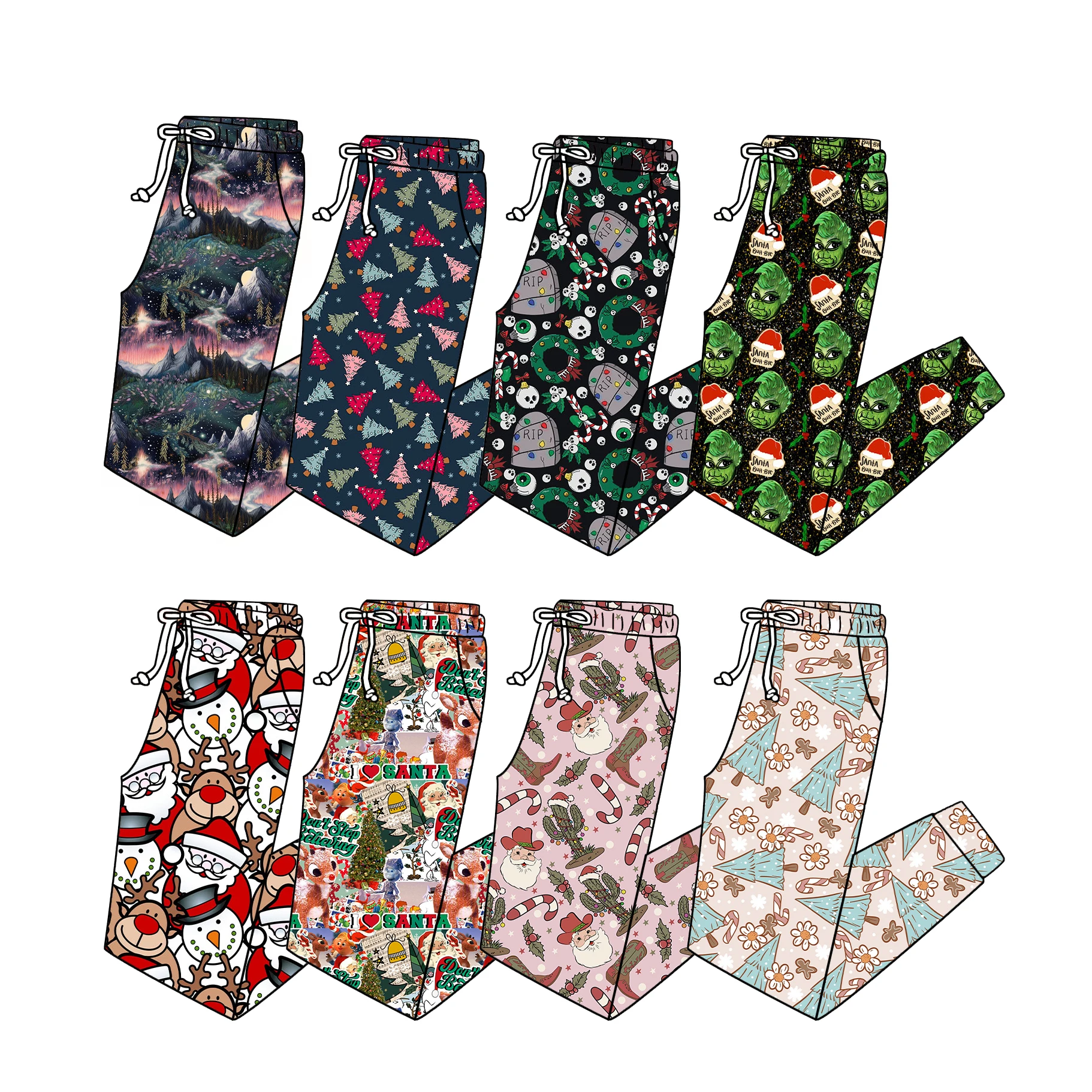
For brands seeking differentiation in an increasingly crowded marketplace, Original Equipment Manufacturing (OEM) and Original Design Manufacturing (ODM) services provide a significant advantage. These services allow businesses to tailor their offerings, whether through unique patterns, eco-friendly materials, or innovative designs. At the same time, low MOQ policies make it easier for smaller players to enter the market confidently.
Partner with a Trusted Babywear Factory
With 17 years of export expertise and a commitment to safety, quality, and flexibility, our factory in Yiwu is the ideal partner for your babywear needs. Whether you are a brand owner, wholesaler, or Amazon seller, we provide baby clothes next OEM and ODM custom babywear with low MOQ to support your business goals. Contact us today to discuss customized solutions or bulk order inquiries tailored to your exact specifications.