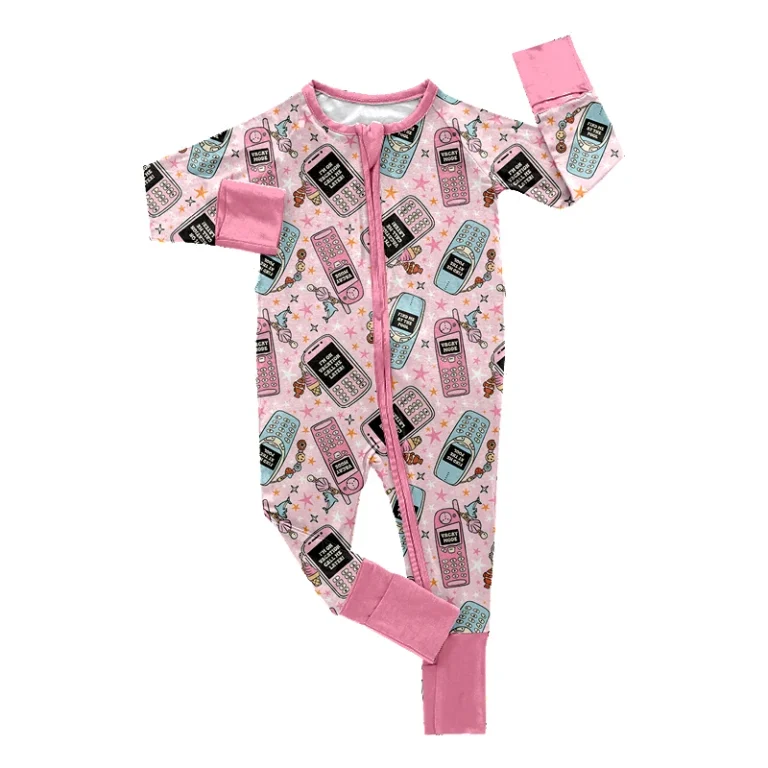
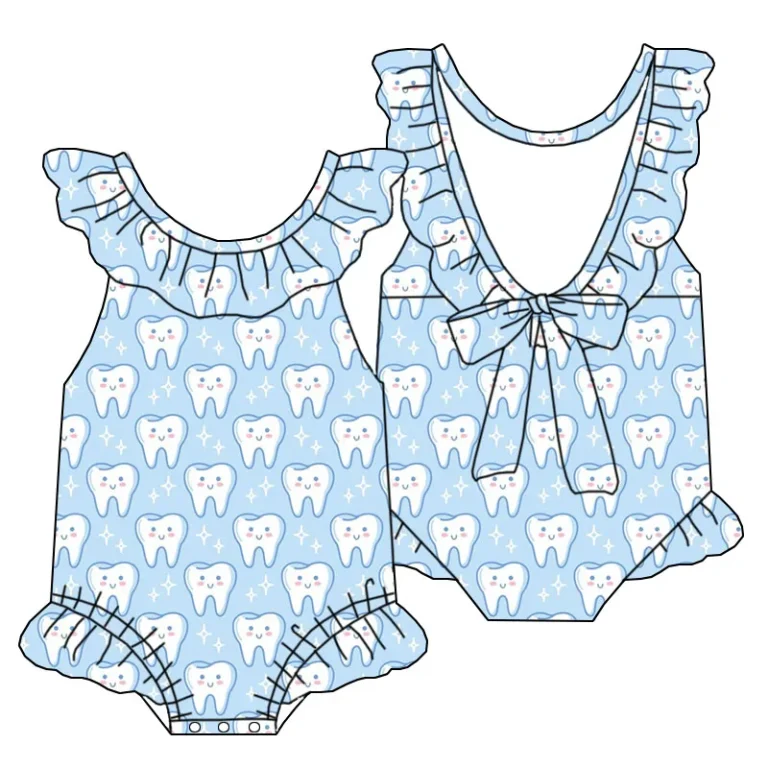
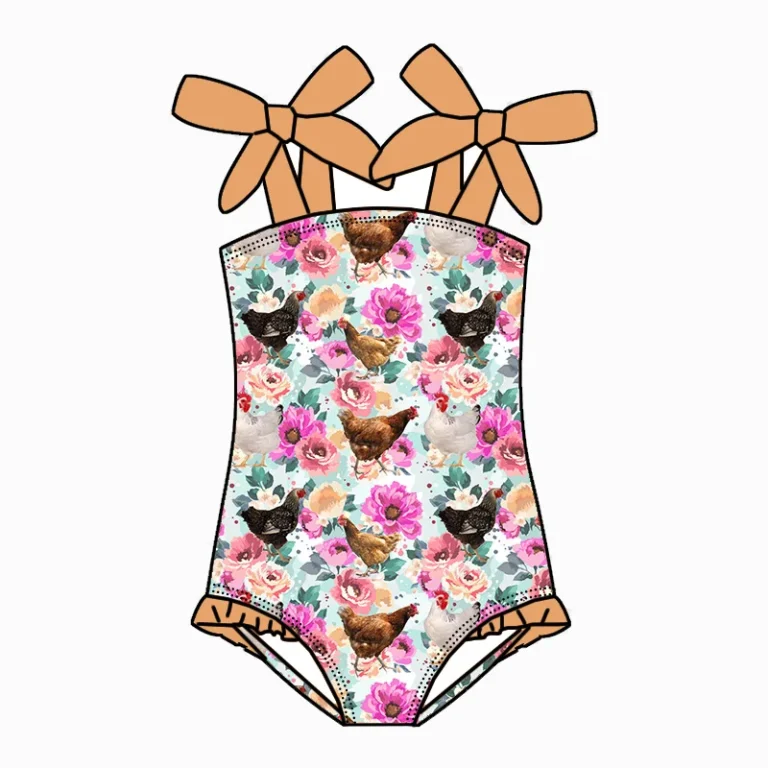
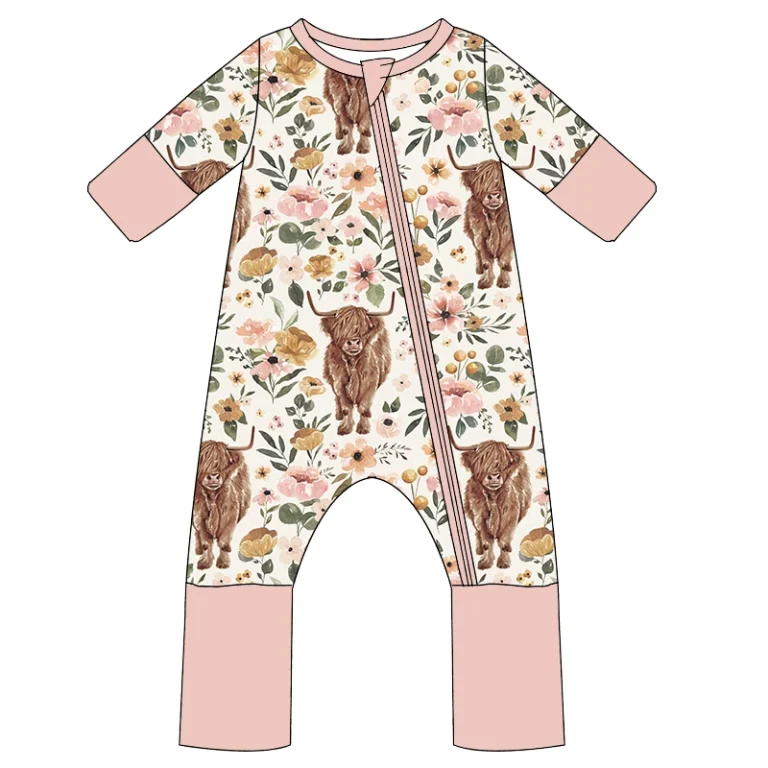
Reliable Newborn Clothing Sampling Factories: Overcoming Supply Chain Hurdles
The Importance of Material Selection in newborn Clothing
When it comes to newborn Clothing, material selection is far more than a matter of aesthetic or market trend. For B2B buyers—whether you are a brand owner, wholesaler, or Amazon seller—understanding the physical properties and safety standards of fabrics is crucial in creating premium, compliant products. The infant apparel market demands fabrics that not only meet strict certification requirements like OEKO-TEX Standard 100 and CPC but also address essential newborn safety and comfort concerns such as thermoregulation and hypoallergenicity.
Key Fabric Choices for Safe and Comfortable newborn Clothing
Bamboo Viscose: A Rising Star in Infant Apparel
Bamboo viscose has become a key material for premium newborn Clothing brands due to its unique physical properties. This fabric offers benefits that go beyond softness:
- Thermoregulation: Bamboo viscose has excellent temperature-regulating properties, making it ideal for maintaining a newborn’s body temperature. This is critical, as infants cannot regulate their body heat effectively.
- Hypoallergenic Qualities: The natural properties of bamboo fibers reduce the likelihood of skin irritations and allergic reactions, making it a perfect choice for sensitive newborn skin.
- Sustainability: Bamboo is a highly eco-friendly resource, and when blended with GRS-certified materials, it meets the growing demand for sustainable fashion without compromising on functionality.
For buyers looking for newborn clothing premium grs certified certified bamboo clothing, this material offers the dual advantage of safety and eco-consciousness.
Organic Cotton: The Industry Standard for Infant Safety
Organic cotton is another cornerstone of safe and high-quality infant wear. Its unmatched breathability and softness have made it a staple in baby apparel:
- Breathability: Organic cotton allows air to circulate through the fabric, ensuring that newborns remain cool and dry.
- Low Irritant Potential: Free from harmful pesticides and chemicals, organic cotton minimizes the risk of skin irritations and rashes.
- Durability: Despite being soft, organic cotton is highly durable, making it easier for parents to reuse clothing without compromising on quality.
When selecting organic cotton for newborn Clothing, ensure that it adheres to OEKO-TEX Standard 100, which guarantees the absence of harmful substances in textiles.
Certifications and Compliance: A Non-Negotiable for B2B Buyers
OEKO-TEX Standard 100
To reassure parents and meet regulatory requirements, manufacturers must ensure that their fabrics are OEKO-TEX Standard 100 certified. This certification indicates that the fabric has been tested for harmful substances and is safe for direct contact with infants’ sensitive skin.
CPC Compliance for the U.S. Market
Child Product Certificates (CPC) are mandatory for importing and selling baby clothing in the United States. A certified supplier will help buyers meet these stringent requirements, avoiding legal hurdles and ensuring a smooth entry into the market.
GRS Certification: Sustainability and Transparency
Global Recycled Standard (GRS) certification is becoming increasingly important for brands targeting environmentally-conscious consumers. Choosing a supplier who can produce newborn clothing premium grs certified certified bamboo clothing will give your brand a competitive edge in this growing market.
Low MOQ and Flexible Supply Chain: A Game-Changer for Emerging Brands
In the competitive landscape of infant apparel, emerging brands and boutique wholesalers often face challenges in meeting high minimum order quantities (MOQ). A flexible supply chain with a low MOQ of just 10 pieces enables smaller players to:
- Test new designs and materials without the risk of overstocking.
- Customize offerings to cater to niche markets and customer preferences.
- Maintain agility in responding to market trends and consumer demand.
This approach also aligns well with the growing trend of “slow fashion,” emphasizing quality over quantity—a key concern for discerning parents and eco-aware consumers.
Partner With an Experienced Manufacturer for Customized Solutions
With 17 years of export experience and a commitment to quality, our factory in Yiwu specializes in producing safe, sustainable, and certified newborn Clothing. Whether you’re looking for newborn clothing premium grs certified certified bamboo clothing or organic cotton babywear, we offer tailored solutions to meet your unique needs. Contact us today for customized solutions or bulk order inquiries and take the first step toward building a trustworthy infant apparel brand.