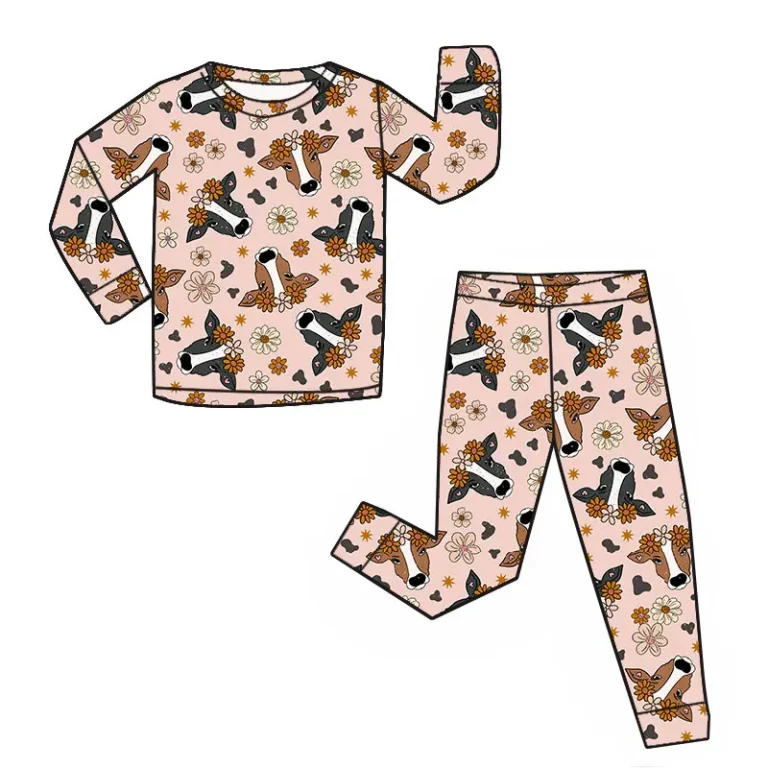
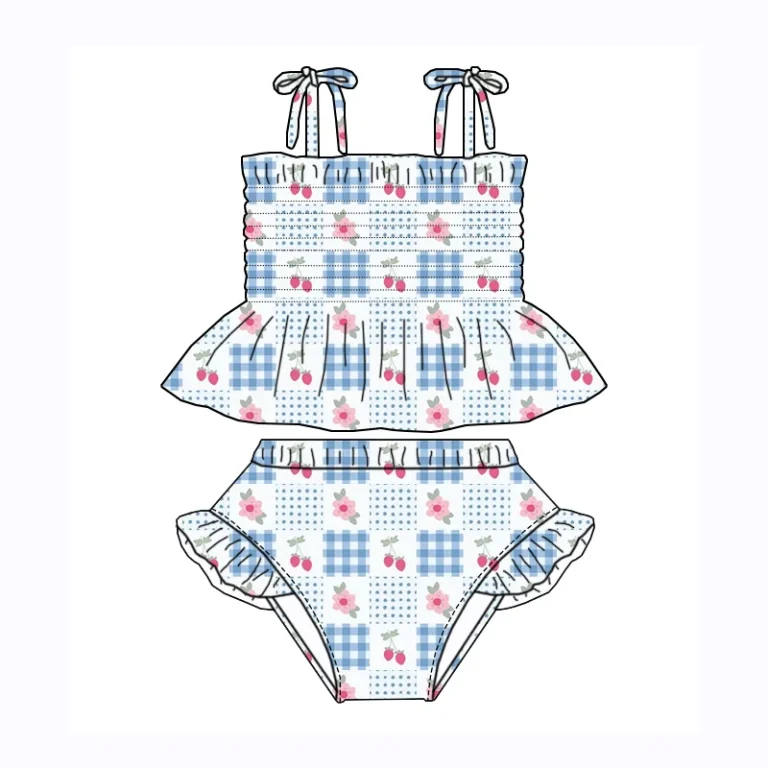
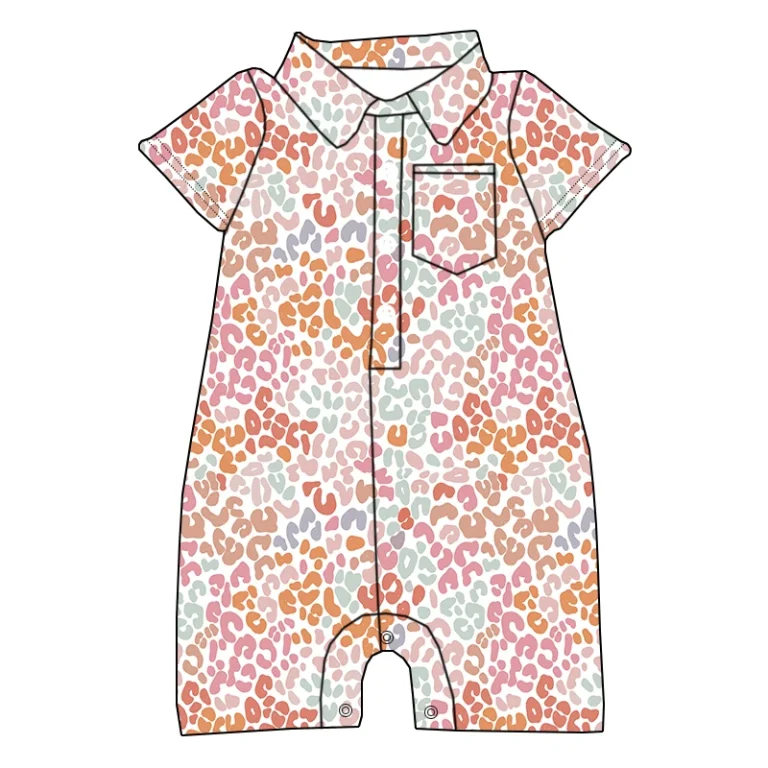
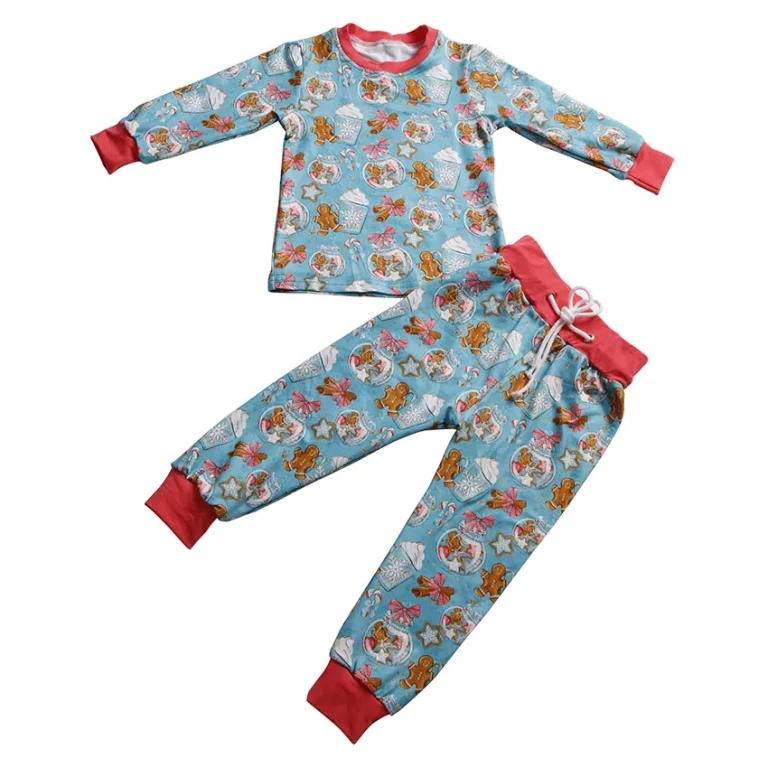
Mass Production Fabrics Regulated Manufacturers Scalable Solutions for Big Brands
The Importance of Fabrics for Babywear: Safety, Comfort, and Compliance
When it comes to babywear, the choice of fabrics plays a critical role in ensuring both safety and comfort for infants. As a professional manufacturer with 17 years of experience in the export industry, we understand that B2B buyers—whether brands, wholesalers, or e-commerce sellers—are deeply concerned about compliance standards, material properties, and production flexibility. This article delves into the key considerations for selecting premium materials, focusing on bamboo viscose and organic cotton, and how their physical properties align with the highest safety and regulatory standards.
Why Material Properties Matter in Babywear
Infants have sensitive skin, and their safety and comfort start with the materials we choose for their clothing. Key physical properties such as thermal regulation, hypoallergenic qualities, and moisture absorption are vital to ensuring optimal wearability. The following factors illustrate why fabrics matter:
- Thermal Regulation: Bamboo viscose is naturally breathable and helps maintain an appropriate body temperature. It prevents overheating during warmer months while providing insulation in colder environments.
- Hypoallergenic Qualities: Organic cotton is free from synthetic chemicals and toxins, making it an ideal choice for babies with sensitive skin or eczema. Its softness enhances comfort without causing irritation.
- Moisture Wicking: Bamboo viscose excels in absorbing moisture, keeping the baby’s skin dry and reducing the risk of rashes.
Certification Standards: Ensuring Compliance for B2B Buyers
Compliance is non-negotiable for any brand or retailer aiming to earn consumer trust. Two critical certifications to consider when sourcing babywear are OEKO-TEX Standard 100 and CPC (Children’s Product Certificate). These certifications verify material safety and regulatory adherence:
- OEKO-TEX Standard 100: Products tested under this certification are free from harmful substances. Both bamboo viscose and organic cotton can meet these stringent requirements, ensuring non-toxic, eco-friendly clothing.
- CPC Compliance: In markets like the U.S., CPC certification is mandatory for babywear. Our rigorous quality control and material testing guarantee adherence to these legal standards.
Flexible Supply Chains: Supporting Emerging Brands and Small Orders
For brands and wholesalers looking to test new product lines or maintain inventory flexibility, low Minimum Order Quantity (MOQ) is crucial. Our factory specializes in fabrics OEM and ODM custom babywear with low MOQ, starting from just 10 PCS. This approach helps clients:
- Launch small-batch collections to test market demand.
- Reduce inventory risks by avoiding overstock.
- Scale up quickly based on consumer feedback without compromising quality.
Bamboo Viscose vs. Organic Cotton: Which Fabric Should You Choose?
Both bamboo viscose and organic cotton offer exceptional benefits, but choosing the right material depends on your priorities:
- Bamboo Viscose: Ideal for sleepwear and summer collections, thanks to its cooling, moisture-wicking, and ultrafine texture qualities.
- Organic Cotton: Perfect for daily wear and winter items, offering durability, softness, and unparalleled skin safety.
We provide tailored solutions to meet your material requirements, whether you need fabrics OEM and ODM custom babywear with low MOQ or large-scale bulk production.
Contact us today for customized solutions or bulk order inquiries. Our flexible supply chain, certified materials, and expert team are ready to support your babywear business at every stage.