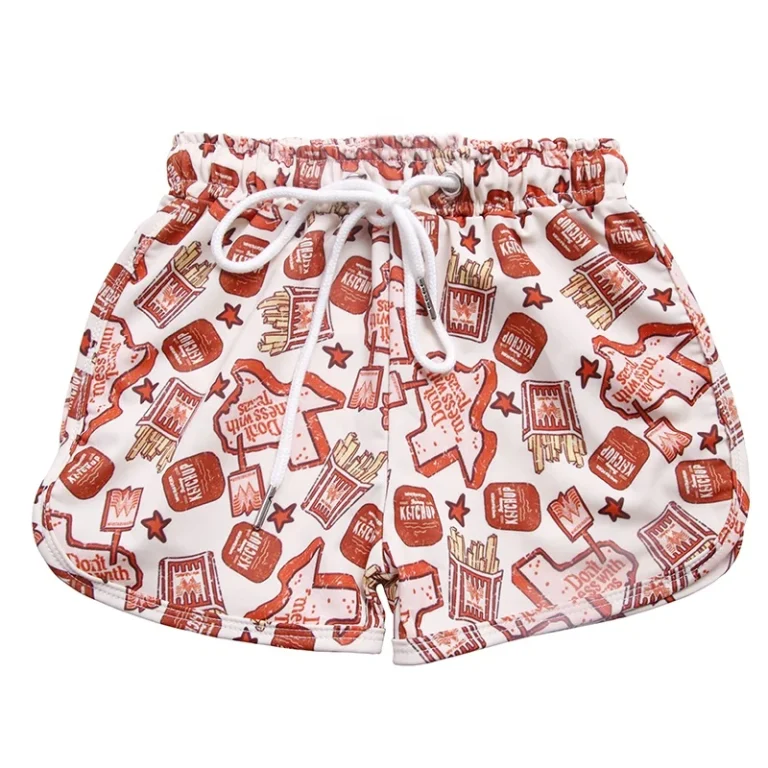
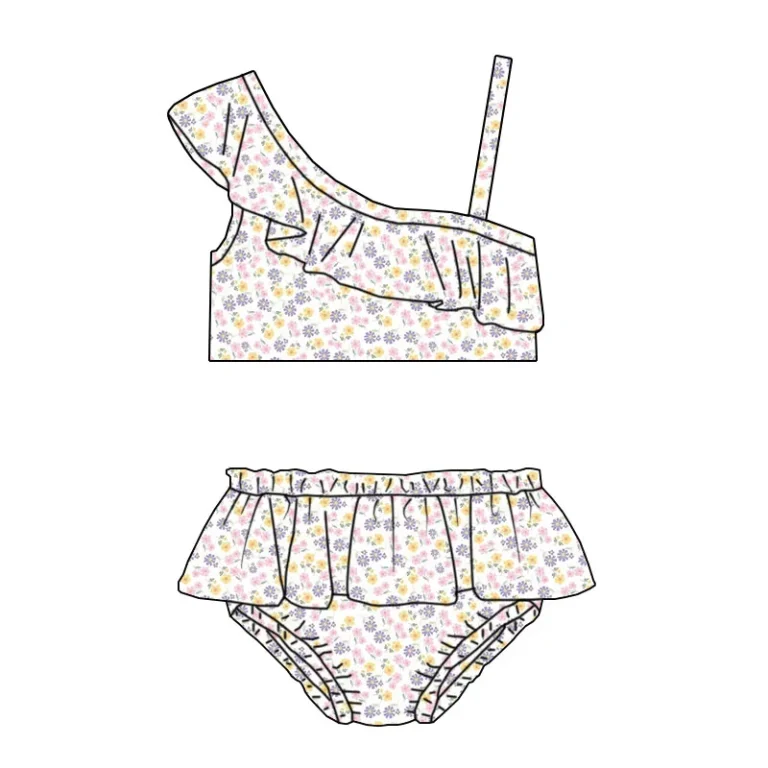
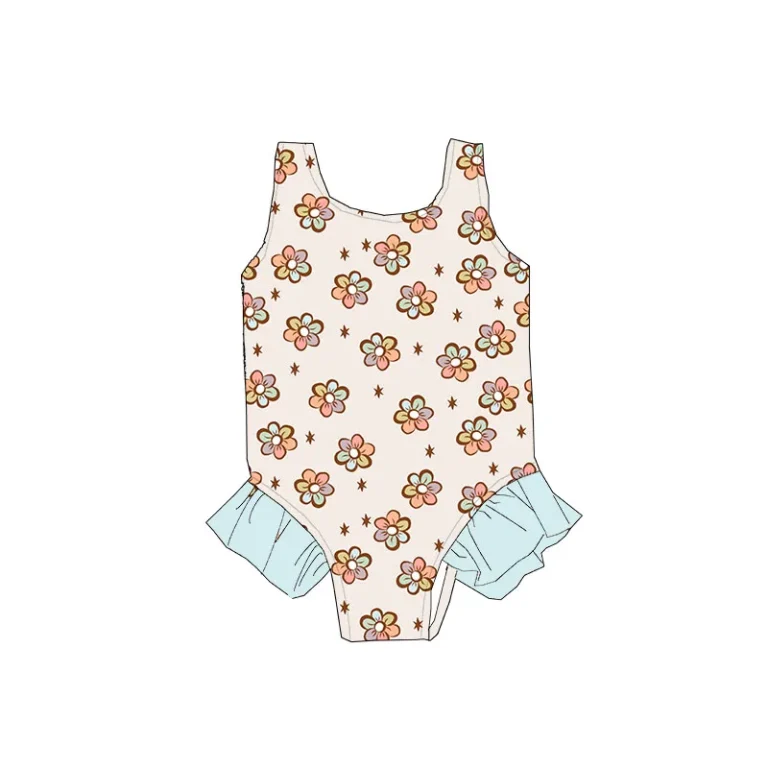
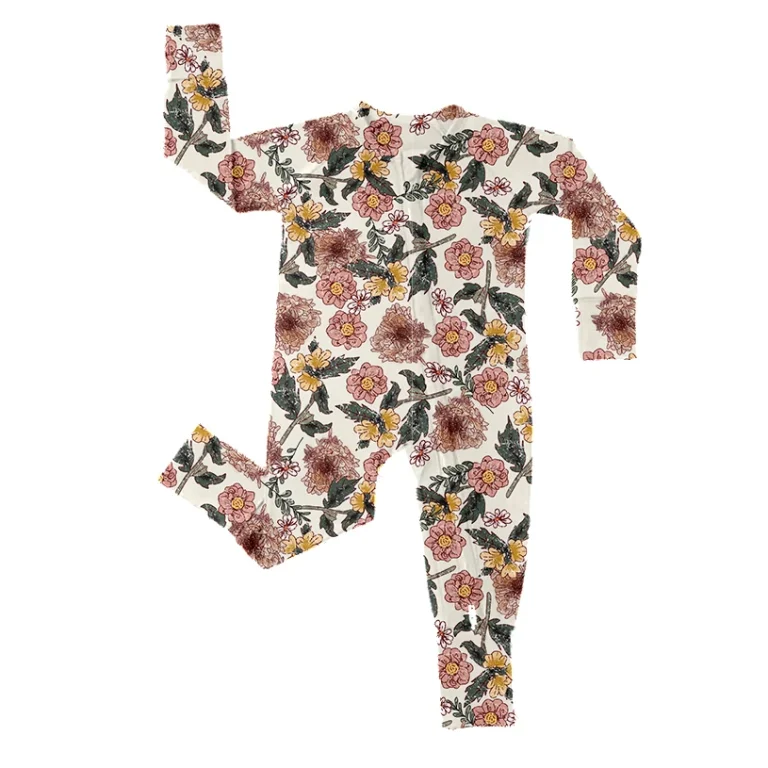
Bamboo Totally BSCI Audited Factories
The Importance of Bamboo Fabrics for Infant Safety
In the competitive landscape of children’s clothing manufacturing, the choice of materials plays a critical role in ensuring safety, comfort, and sustainability. Among the fabric options available, bamboo totally stands out for its unique physical properties that directly address the needs of baby clothing. This article explores the safety and performance benefits of bamboo viscose and organic cotton in the context of infant wear.
Why Bamboo Viscose Matters for Infant Safety
Bamboo viscose is scientifically recognized for its thermal-regulating and hypoallergenic properties. These characteristics are particularly essential for baby clothing, where sensitive skin and fluctuating body temperature are common concerns. Key advantages include:
- Thermal Regulation: Bamboo viscose naturally adjusts to temperature changes, keeping infants cool in warmer conditions and warm when it’s colder—a feature unmatched by synthetic fabrics.
- Hypoallergenic Properties: The absence of harsh chemicals during the bamboo viscose production process ensures low skin irritation risks, making it ideal for newborns and toddlers prone to allergies.
- Moisture-Wicking Ability: Bamboo fabrics excel at absorbing moisture, preventing discomfort and skin rashes caused by sweat accumulation.
Certifications Reflecting Quality and Compliance
Quality compliance and safety certifications ensure the reliability of bamboo-based fabrics in the children’s wear industry. Our products, including bamboo totally premium bsci audited certified bamboo clothing, meet stringent international standards:
- OEKO-TEX Standard 100: Guarantees that no harmful chemicals are present in the fabric, safeguarding babies from potential toxic exposure.
- CPC Certification: Essential for U.S. market compliance, proving that baby clothing meets safety standards for physical and chemical hazards.
- BSCI Audited: Reflects ethical manufacturing practices, ensuring transparency in labor conditions and sustainability across the supply chain.
Brands and wholesale buyers can rely on these certifications to meet regulatory requirements while maintaining customer trust.
Organic Cotton as a Complementary Material
While bamboo viscose dominates the conversation for premium babywear fabric, organic cotton serves as a complementary material. Organic cotton is free from synthetic pesticides and fertilizers, offering additional benefits:
- Breathability: Organic cotton allows airflow, reducing the risk of overheating and ensuring comfort throughout the day.
- Natural Softness: The fiber’s natural texture is gentle on a baby’s delicate skin.
- Environmental Sustainability: Organic farming methods used for cotton cultivation significantly reduce water consumption and soil degradation compared to conventional practices.
Combining bamboo viscose and organic cotton creates garments that are safe, comfortable, and eco-friendly—perfect for discerning parents focused on their child’s well-being.
Flexible Supply Chain with Low MOQ
Rapidly growing brands and wholesale buyers often face challenges in balancing inventory with market demand. Our factory provides flexible solutions with a low MOQ of just 10 pieces. This enables:
- Risk Mitigation: Small initial orders allow brands to test designs and market reception before scaling production.
- Customization: OEM and ODM options ensure tailored products that align with brand identity.
- Quick Turnaround: Efficient production processes meet tight deadlines without compromising on quality.
These advantages make bamboo totally an excellent choice for B2B buyers seeking reliable supply chain solutions alongside premium fabrics.
For customized solutions or bulk order inquiries, contact us today to explore our range of bamboo totally premium bsci audited certified bamboo clothing. Let us collaborate to meet your brand’s specific needs with sustainable, high-quality children’s wear.