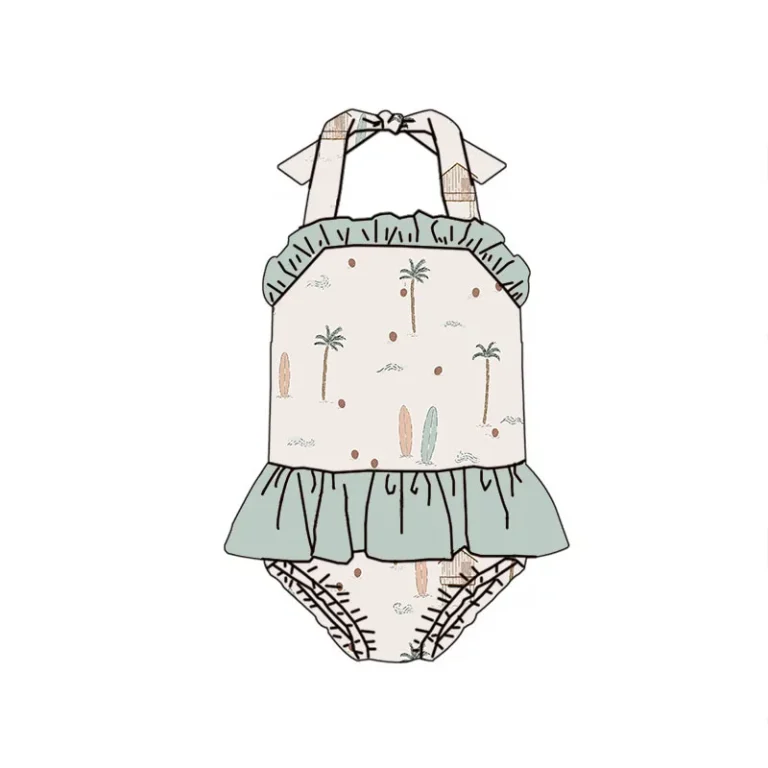
Fast Lead-Time Infant Suit For Body OEM/ODM Partner OEM/ODM Solutions
The Importance of Fabric Selection for Infant Suit For body
Fabric selection is one of the most critical aspects when designing Infant Suit For body. For B2B buyers such as brand owners, wholesalers, and Amazon sellers, understanding the physical properties of materials like bamboo viscose and organic cotton is crucial to offering safe and high-quality baby clothing. These fabrics are not only eco-friendly but also provide unique benefits that directly impact infant safety and comfort.
Key Physical Characteristics of Bamboo Viscose and Organic Cotton
Thermal Regulation for Maintaining Optimum Body Temperature
Bamboo viscose is renowned for its excellent thermal regulation properties. The fibers have inherent breathability, allowing heat to dissipate during warm environments and providing insulation during cooler conditions. This ensures that infants wearing Infant Suit For body made from bamboo viscose remain comfortable throughout the year. Organic cotton also supports breathability, though it may not be as effective as bamboo viscose in moisture-wicking applications.
Hypoallergenic Features for Sensitive Skin
Both bamboo viscose and organic cotton are naturally hypoallergenic, making them ideal for infants with sensitive skin. The absence of harsh chemicals in these materials, coupled with their soft textures, minimizes the risk of irritation and allergic reactions. This is particularly important for buyers prioritizing infant safety and comfort in their product lines.
Eco-Friendly and Sustainable Manufacturing
As demand for environmentally responsible products grows, leveraging fabrics such as bamboo viscose and organic cotton aligns with global sustainability goals. Bamboo grows quickly without pesticides, and organic cotton is cultivated without synthetic fertilizers, ensuring fewer environmental impacts. Products sourced from a infant suit for body factory direct eco-friendly baby clothing manufacturer often highlight these eco-conscious advantages to attract modern consumers.
Certification Standards: Ensuring Safety and Compliance
B2B buyers frequently face challenges ensuring compliance with global safety standards. Certifications such as OEKO-TEX Standard 100 and the U.S. Consumer Product Safety Commission (CPC) requirements are essential in proving fabric and product safety:
- OEKO-TEX Standard 100: Certifies that no harmful chemicals are present, ensuring textile safety for sensitive infants.
- CPC Certification: Required for products sold in the U.S., this ensures compliance with stringent safety regulations.
Collaborating with an experienced infant suit for body factory direct eco-friendly baby clothing manufacturer ensures these certifications are integrated seamlessly into production processes, alleviating compliance concerns for buyers.
Low MOQ and Flexible Supply Chain Advantages
Emerging brands, small-scale wholesalers, and Amazon sellers often require low minimum order quantities (MOQs) to test market demand or expand their product lines. A flexible supply chain offering MOQs as low as 10 pieces empowers buyers to:
- Minimize inventory risks.
- Respond quickly to market trends with custom designs.
- Scale production up or down based on performance.
An adaptable supply chain also provides customized solutions, with options for private labeling and tailored designs specific to the buyer’s branding requirements.
Partner With a Trusted Manufacturer
For bulk order inquiries or customized solutions, our factory leverages over 17 years of export expertise to provide tailored manufacturing support. From sourcing premium bamboo viscose and organic cotton to ensuring compliance with OEKO-TEX and CPC standards, we prioritize infant safety and quality in every product. Contact us today to explore flexible MOQ options, private label designs, and eco-conscious production processes that align with your business goals.